

What is micro-content and why it’s the future of social media marketing
Over the past few years, micro-content has emerged as a powerful tool in social media marketing, catering to your audience's shrinking attention spans. In this post, you will learn how bite-sized, easily digestible content can enhance your engagement and drive deeper connections with your followers. As the digital landscape evolves, understanding micro-content's impact will position you ahead of your competition, allowing you to create more effective marketing strategies that resonate with your audience.
Key Takeaways:
- Micro-content consists of short, easily digestible pieces of information tailored for quick consumption.
- Platforms favor fast-paced, engaging content, making micro-content ideal for attention spans on social media.
- Effective micro-content enhances shareability and user interaction, increasing brand visibility.
- Visual elements, such as images and videos, are necessary in micro-content for driving engagement.
- It's important to maintain a consistent brand voice across different micro-content formats to build recognition.
Understanding Micro-Content
Definition of Micro-Content
Micro-content refers to brief, focused snippets of information designed to capture attention quickly. This form of content typically ranges from a few seconds of video to a couple of sentences of text, making it perfect for engagement on social media platforms. You can think of micro-content as the Twitter posts, memes, or short videos that convey a message efficiently and effectively.
The rise of micro-content is largely attributed to changing consumer behavior, as audiences increasingly prefer content that provides immediate value without requiring a significant time commitment. The goal is to deliver messages that can stand alone and resonate deeply with your target audience.
Characteristics of Micro-Content
Key characteristics of micro-content include being concise, shareable, and easily digestible. Each piece should convey a clear message or evoke an emotional response, ensuring that it grabs your audience's attention quickly. You need to create content that encourages interaction, whether through likes, shares, or comments, capitalizing on the viral nature of the social web.
Another distinctive feature of micro-content is its adaptability across various platforms. You should tailor your content to fit the unique characteristics of each social medium, from Twitter’s character limits to Instagram’s visual focus. This multi-platform approach enhances your reach and effectiveness.
In addition, successful micro-content often leverages trends or topical events, making it relevant and timely. Engaging visuals or imaginative hooks are vital to draw in your audience, reinforcing your brand's message while also keeping it visually appealing.
Types of Micro-Content
Micro-content comes in several forms, each serving different purposes and engaging users in unique ways. Some common types include infographics, which summarize complex information visually, memes that provide humorous or relatable insight, and short videos that offer quick tutorials or product demonstrations. You also might consider carousel posts and interactive polls to encourage audience participation.
Additionally, user-generated content (UGC) has become a powerful form of micro-content. When your customers share their experiences or create content related to your brand, it not only boosts your credibility but also promotes a sense of community among your followers. These diverse types can collectively enhance your overall social media strategy.
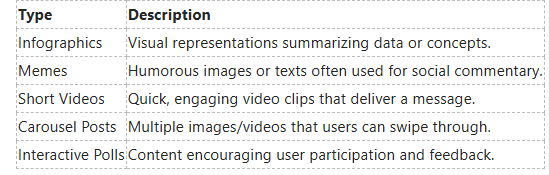
Understanding the various types of micro-content can help you identify what resonates best with your audience. Each format has distinct advantages that can enhance your engagement metrics, driving interaction and brand loyalty. Knowing this will enable you to strategically diversify your approach across platforms.
- Infographics enhance visual engagement.
- Memes foster relatability.
- Short Videos capture immediate attention.
- Carousel Posts utilize swipe features.
- Interactive Polls invite audience participation.
Knowing which types to focus on can greatly improve your social media presence and effectiveness.
The Evolution of Content Consumption
Historical Context of Content Marketing
The roots of content marketing can be traced back to the early 1900s, with brands like John Deere publishing "The Furrow," a magazine aimed at farmers. This innovative approach shifted focus from direct selling to value-driven storytelling, positioning brands as trusted sources of information. You might find it surprising that content marketing has evolved significantly over the decades, gaining importance as businesses began to understand consumer needs and preferences more deeply.
As the internet took shape in the late 20th century, the landscape of content consumption transformed further. The rise of blogs and social media in the 2000s created channels for businesses to directly engage with audiences, allowing for a more interactive form of marketing. This shift saw brands creating content that not only informed but also entertained and engaged, refining the tactics of content marketing to meet growing consumer expectations.
The Shift Towards Short-Form Content
In recent years, there has been a noticeable shift toward short-form content as social media platforms evolve and user preferences change. The average attention span has decreased, prompting marketers to adapt. Statistics indicate that videos under two minutes are shared 50% more than longer ones, proving that concise, targeted messaging resonates better with your audience. Platforms like TikTok and Instagram Reels showcase this trend, focusing entirely on micro-content that captivates users quickly.
This format allows you to deliver bite-sized stories and insights, fostering immediate connections with viewers. The influence of platforms such as Twitter, which restricts posts to 280 characters, further underscores the importance of brevity in messaging. As a marketer, embracing short-form content can enhance your visibility and engagement rates.
Impact of Technology on Content Consumption
Technology has dramatically shaped how you consume content, transitioning from traditional media to a digital-first approach. The emergence of smartphones has made content readily accessible, facilitating on-the-go consumption. You might find yourself scrolling through social media feeds, watching short videos, or reading quick articles instead of engaging with longer formats like books or newspapers. With about 90% of consumers preferring visual information over text, technology continues to drive the demand for innovative content forms that align with fast-paced lifestyles.
The advent of algorithms on platforms such as Facebook and Instagram has also revolutionized content marketing strategies. Algorithms prioritize content that keeps users engaged, often favoring shorter, more impactful pieces. Consequently, you need to strategically tailor your marketing efforts to fit into this ecosystem, ensuring that your messages not only stand out but align with the technological advancements shaping consumption patterns.
This rapid technological evolution underscores the necessity for agility in your content strategy. You should be leveraging analytics and data-driven insights to optimize audience engagement and inform your content creation processes for better alignment with current trends.
The Importance of Micro-Content in Social Media Marketing
Engaging the Modern Consumer
Your audience today is inundated with a constant stream of information across various social media platforms. To grab their attention, you need to deliver content that stands out and resonates quickly. Micro-content engages modern consumers by providing bite-sized, easy-to-process information that aligns with their fast-paced lives. Social media stories, tweets, and short videos serve as ideal formats for this engagement, keeping users hooked and encouraging them to interact.
Consider how platforms like Instagram Stories or TikTok utilize micro-content to keep users engaged. These formats allow you to share snippets of your brand’s personality, showcase products, or convey messages succinctly. The immediacy created by micro-content leads to higher engagement rates, translating into shares and likes that can amplify your reach exponentially.
Enhancing Brand Recall and Recognition
Micro-content aids in enhancing brand recall and recognition. By consistently using short, catchy formats, you create memorable associations in the minds of consumers. For instance, brands that employ unique hashtags or visual themes in their micro-content set themselves apart, making it easier for your audience to remember them amidst the noise of competitors.
Well-crafted micro-content can serve as a reminder of your brand values and offerings, reinforcing brand identity with every interaction. Research indicates that consumers are more likely to retain information presented in succinct formats, thereby translating increased visibility into greater consumer trust and loyalty toward your brand.
For example, the explosive popularity of brands using memorable phrases or visual clips has proven effective in advertising campaigns. Think of how viral memes can boost brand recognition; they become integrated into social culture, making your brand part of the conversation.
Delivering Value in a Short Attention Span Era
In an era where studies show that attention spans have dropped to under eight seconds, delivering value through micro-content becomes imperative. You need to distill your messaging to its essence, providing your audience with immediate value that resonates with their interests and needs. Micro-content allows you to convey key points without overwhelming consumers with excessive detail, making it more likely that they will absorb your message and act on it.
Platforms designed for swift consumption, like Snapchat and TikTok, highlight how brevity can lead to heightened engagement and conversion rates. As viewers scroll through endless feeds, it’s the succinct, visually engaging pieces of content that get clicks, shares, and interactions, all vital for fostering brand awareness and driving traffic.
Ultimately, the ability to convey value quickly not only keeps your audience engaged but also positions your brand as relevant and contemporary—qualities important for survival in today’s competitive landscape.
Platforms Best Suited for Micro-Content
Instagram and Visual Storytelling
Instagram thrives on visual storytelling, making it an ideal platform for micro-content. You can share impactful messages through eye-catching images, short captions, and engaging stories that capture attention quickly. Utilizing tools like Instagram Stories and Reels allows you to create bite-sized content that resonates with your audience, encouraging interaction and sharing. Brands that leverage high-quality visuals are likely to see increased engagement, with Instagram's algorithm prioritizing content that holds viewer attention.
Features such as hashtags, location tags, and the ability to collaborate with influencers further enhance your micro-content strategy. By crafting visually appealing posts and incorporating relevant tags, you can expand your reach and drive traffic to your profile. Consider brands like Nike and ASOS, who effectively use Instagram to publish micro-content that feels personal yet aspirational, driving their social media success.
TikTok and the Rise of Short-Form Video
TikTok has revolutionized the landscape with its short-form video format, proving that entertainment and creativity can condense complex ideas into engaging clips. Users are drawn to TikTok's fast-paced content, with videos limited to 15-60 seconds, allowing for rapid consumption and sharing. Trends, challenges, and music integration further enable you to create content that captivates and encourages audience participation. Brands tapping into TikTok's viral mechanics can effectively harness the platform to enhance their visibility.
Businesses like Chipotle and Gymshark have successfully navigated this landscape, often generating significant engagement by aligning their messages with trending sounds and formats. This adaptability not only fosters community interaction but also positions brands as relatable, ultimately boosting loyalty among users.
Twitter and the Power of Concise Messaging
On Twitter, brevity is the essence of effective communication. With a character limit that compels you to distill your message, you can utilize threads to connect ideas while maintaining focus. Quick updates, news flashes, or witty commentary on current events resonate well with your audience, making it easier for them to engage and share. Brands using Twitter effectively can drive conversations and establish a distinct voice, as seen with businesses like Wendy's, who cleverly leverage humor to engage their followers.
Additionally, tweets incorporating visual elements such as images, GIFs, and polls can enhance your micro-content strategy, making it more dynamic and engaging. By responding to trending topics or using popular hashtags, you can position your brand as a timely contributor in discussions, amplifying your reach.
Creating Effective Micro-Content
Understanding Your Audience
To create micro-content that resonates, you must first understand your audience. This involves analyzing their demographics, behaviors, and preferences. Tools like Google Analytics and social media insights can provide valuable data on who engages with your existing content. Pay attention to trends, such as what types of posts generate the most interaction, and tailor your micro-content to align with these interests. For instance, if you notice a particular age group is engaging more with videos, consider utilizing that format for future posts.
Additionally, conducting surveys or exploring social media discussions can give you direct insight into your audience's needs and pain points. By addressing these specific areas, you can craft micro-content that is not only engaging but also pertinent to your followers, fostering a stronger connection with them.
Crafting Compelling Messages
The effectiveness of micro-content hinges on the strength of your message. Focus on being direct and concise, ensuring that each word counts. A well-crafted message should resonate emotionally with your audience, often through storytelling elements that spark interest or curiosity. Using a strong hook within the first few seconds is crucial to capture attention in a crowded feed. For example, start with a provocative question or a surprising statistic to draw your readers in.
Additionally, consider utilizing actionable language. Phrases that suggest immediate actions or outcomes compel your audience to engage further, whether through likes, shares, or comments. A call-to-action should be clear and enticing, encouraging your audience to take the next step, such as visiting your website or participating in a discussion.
Your messages must also reflect your brand voice consistently. Whether it’s witty, informative, or emotional, this voice should be unmistakably yours, helping to build recognition and loyalty over time.
Utilizing Visuals and Multimedia
Visuals play a key role in micro-content, enhancing its appeal and retention. A well-chosen image or video can significantly increase engagement, as posts with visuals typically see higher interaction rates. Consider creating infographics that highlight key statistics or using GIFs to add a fun element to your messaging. Brands like BuzzFeed have successfully leveraged visual content to distill complex information into easily digestible formats, effectively keeping audiences engaged.
Moreover, platforms such as TikTok and Instagram Stories thrive on dynamic visual content. By utilizing filters, animations, and engaging visuals, you can craft micro-content that draws viewers in. A/B testing different visual styles can provide insights into what resonates best with your audience.
Incorporating multimedia elements, like short videos, can not only make your message more captivating but also allow for more storytelling opportunities within the constraints of micro-content. This format visually hooks viewers, increasing the likelihood they will absorb your key messages and share them.
Strategies for Implementing Micro-Content

Developing a Micro-Content Strategy
To effectively utilize micro-content, start by identifying your core message. Determine what key takeaways you want your audience to grasp in just a few seconds. Align your micro-content strategy with broader marketing goals; for example, if driving website traffic is a priority, create engaging snippets that encourage clicks. Tailor your approach for different platforms for maximum impact, as each social media channel has unique strengths and audience preferences.
Experiment with various formats, such as short videos, infographics, or teasers. Use A/B testing to refine your content, examining which formats generate the highest engagement. Regularly analyze performance metrics to adjust your strategy, ensuring you're always targeting your ideal demographic effectively.
Content Planning and Scheduling
Successful micro-content creation hinges on meticulous planning and scheduling. Utilize content calendars to map out themes, key dates, and posting frequency to ensure consistency. Schedule weekly or monthly brainstorming sessions to generate ideas that align with ongoing campaigns, trends, and seasonal events. This proactive approach not only helps you maintain a steady stream of content but also allows you to capitalize on real-time marketing opportunities.
Time your posts strategically to maximize visibility. Research shows that posting during peak engagement hours, which can vary by platform and audience, can significantly increase reach. Use analytics tools to identify when your audience is most active, tailoring your schedule to fit these windows for optimal results.
Staying organized is key to effectively managing your content pipeline. Tools like Trello or Asana can help streamline the process, allowing your team to collaborate, track progress, and adjust to any last-minute changes.
Measuring and Analyzing Performance
Evaluating the success of your micro-content efforts is important for ongoing improvement. Focus on metrics such as engagement rate, click-through rate (CTR), and conversions to gauge effectiveness. Utilize platform-specific analytics tools or third-party programs like Sprout Social to compile data and gain insights into how your content performs across different demographics.
Identify patterns in your data to uncover what resonates with your audience. For instance, if you notice that video snippets generate higher engagement than static images, pivot your strategy accordingly. Regularly reviewing these insights allows you to refine your approach and innovate while still aligning with your audience preferences.
Adapting your strategy based on performance metrics is important. Tracking shifts in engagement over time can reveal emerging trends and audience interests, enabling you to stay ahead of the curve.
Micro-Content vs. Traditional Content
Comparing Length and Engagement
Micro-content is typically brief, often consisting of snippets such as tweets, stories, or Instagram posts, usually under 280 characters or a quick visual that captures attention instantly. In contrast, traditional content, such as blog posts or articles, often exceeds 1,000 words, allowing for an in-depth exploration of topics. This juxtaposition not only represents a difference in length but directly correlates to engagement rates.
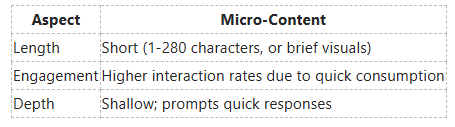
The bite-sized nature of micro-content results in increased shareability and immediate viewer interaction, making it particularly appealing for fast-paced social media environments.
Different Goals and Objectives
The objectives for micro-content significantly diverge from those of traditional content. With micro-content, the focus lies in brand awareness, instant audience engagement, and creating viral potential. In contrast, traditional content often aims for depth, fostering brand loyalty and driving long-term relationships through informative or storytelling approaches.
As you craft your content strategy, it's vital to align your goals with your chosen format. Micro-content serves to grab attention quickly, while traditional content builds credibility and guides your audience through a more complex narrative.
Resource Allocation
When investing in content production, consider that micro-content typically requires fewer resources. It can be produced rapidly with less expense on writing, design, or editing. Whereas traditional content often demands a substantial investment in research, writing, and graphics, leading to potentially higher costs and longer timelines.
This efficiency in producing micro-content allows you to allocate resources elsewhere, enabling you to test various content types and strategies in real-time, adapting to audience feedback faster.
Case Studies of Successful Micro-Content Campaigns
- Coca-Cola's "Share a Coke" Campaign: Increased sales by 2% globally, with over 500,000 social media posts using the campaign hashtag, proving the effectiveness of personalized micro-content.
- GoPro: User-generated micro-content generated a 35% increase in engagement on social media, showcasing how customers’ videos were used to enhance brand authenticity.
- BuzzFeed: Focused on short, fun videos that averaged 1.4 million views each, contributing to an overall increase of 60% in traffic from social media.
- Netflix: Leveraged micro-content through short trailers and memes, resulting in a 50% growth in social sharing for new shows, demonstrating the power of capturing attention quickly.
- Duolingo: Engaged users with humorous and shareable micro-content, leading to an impressive 25 million more downloads in one year, emphasizing the impact of relatable content.
Brands That Thrived with Micro-Content
Many brands have witnessed immense success through micro-content strategies. For example, Coca-Cola's "Share a Coke" campaign used personalized labels, fueling a significant increase in both sales and social media engagement. The campaign became a cultural phenomenon, with user-generated content proliferating across platforms as fans shared their experiences, amplifying the brand's reach far beyond traditional advertising methods.
Similarly, GoPro capitalized on micro-content by encouraging users to share their adventure videos. This strategy generated significant fan engagement and authentic storytelling that resonated with the audience, resulting in visually compelling content that not only represented the brand but also established a community around it. The data indicates that GoPro's user-generated content not only enhanced customer loyalty but also directly contributed to increased sales.
Lessons Learned from Micro-Content Failures
Not every micro-content campaign has soared as high as those successful ones. For example, some brands face backlash when their attempts at humor or relatability fall flat. Take Pepsi's infamous protest-themed commercial, which received severe criticism for being tone-deaf and insensitive. The lesson here is that micro-content requires careful consideration of current events and sentiments to prevent alienation or offense.
Additionally, overloading your audience with micro-content that lacks genuine engagement can lead to a decline in interest. A case in point is YouTube's initial foray into short-form videos that failed to catch on until they revamped their strategy. A lack of audience understanding ultimately undermined those initial efforts, emphasizing the need for brands to not just create micro-content but ensure it aligns with audience preferences.
Analyzing Audience Responses
A critical aspect of successful micro-content is understanding how your audience responds. Utilizing analytics tools can help track engagement, conversion rates, and overall sentiment toward your content. Brands like Netflix excel in this area by continuously refining their strategies based on audience feedback, leading them to develop content that resonates deeply with their viewers. By analyzing performance metrics, you can adjust your micro-content strategies to maximize impact.
Regularly assessing audience reactions isn't just about crunching numbers—it's about connecting with real people. Going through comments and conducting surveys can yield qualitative insights that numbers alone might miss. For instance, frequent interactions and listening to your audience can help you create micro-content that truly engages and excites them.
The Role of User-Generated Content in Micro-Content Strategy
Encouraging Audience Participation
To truly harness the power of user-generated content (UGC), you must actively encourage your audience to participate in your micro-content strategy. Engaging your followers through challenges, polls, and hashtags can lead to an influx of authentic content that resonates with your brand's values. For instance, brands like Coca-Cola have successfully utilized campaigns that invite users to share photos incorporating their products, creating a sense of community and connection around their brand identity.
Consider incentivizing participation by featuring user submissions on your official social media pages. This not only boosts your content library but also creates a sense of pride and loyalty among your audience. When users see their work recognized, they are more likely to engage with your brand consistently, transforming passive viewers into active participants.
Amplifying Brand Messages
User-generated content serves as a powerful amplifier for your brand messages. The authenticity of UGC often resonates more with potential customers than traditional advertising methods. When users share their own experiences or testimonials about your product, it adds credibility to your offerings. For example, a study by Nielson revealed that 92% of consumers trust recommendations from individuals over brands, emphasizing the role of peer influence in purchasing decisions.
Your brand can leverage user-generated stories by reposting or highlighting them in your marketing materials. By doing so, you not only showcase real-life applications of your products but also demonstrate to potential customers that your offerings deliver genuine value and satisfaction.
This amplification is not merely about reposting; it's about crafting a narrative around users' experiences to align with your broader marketing goals. By weaving these narratives together with your brand message, you can create a compelling storyline that resonates with both existing and potential customers.
Managing and Curating User Content
Effective management and curation of user-generated content are paramount. With the sheer volume of content generated daily, you need a strategy to sift through submissions and highlight the most relevant pieces that align with your brand image. Establish guidelines for quality and relevance to ensure user contributions maintain a high standard and reflect positively on your brand.
Moreover, utilize tools and platforms that can help you monitor and aggregate UGC. By employing content management systems or social media monitoring tools, you can efficiently track mentions, filter submissions, and select the best content to showcase. A well-curated collection of user content not only enriches your brand narrative but also builds a library of authentic testimonials that can be reused across different marketing channels.
To continually refine your curation process, engage directly with your audience and solicit feedback on the content you're showcasing. This will help you align more closely with your audience's preferences and expectations, ensuring the user-generated content remains fresh, engaging, and valuable.
Future Trends in Micro-Content
Predictions for Social Media Evolution
You can expect social media platforms to further embrace micro-content as users exhibit a preference for quick and engaging interactions. Analysts predict that up to 80% of consumer-generated content will consist of micro-moments, driving brands to pivot strategies that enhance viewer engagement. This shift implies an increase in short-form videos, ephemeral posts, and bite-sized graphics aimed at capturing attention in under ten seconds.
Engagement metrics will become the driving force behind micro-content development. As algorithms evolve, social media will prioritize content that garners quick interactions, which you must consider when planning your marketing approach. Brands that invest in tailored micro-content designed for specific target demographics will likely see a rise in brand loyalty and customer retention.
Advances in Technology and Their Impact
Your experience with micro-content will be significantly shaped by advancements in technology. From 5G connectivity to enhanced smartphone capabilities, the consumption of visual micro-content will become increasingly seamless. With faster download speeds, platforms can host richer micro-content like augmented reality (AR) experiences and high-definition short videos that captivate audiences.
As these technologies mature, it becomes imperative for you to adapt your content strategy accordingly. The ability to create and deliver immersive micro-experiences will set successful brands apart, allowing them to engage your audience in innovative ways. Those who leverage these advancements could see substantial impacts on engagement rates and brand visibility.
The Role of Artificial Intelligence in Content Creation
Artificial Intelligence is redefining how you approach micro-content production. AI tools can analyze trending topics and suggest content optimized for user engagement. This means you can automate the creation of personalized micro-content, increasing the efficacy of your marketing campaigns.
Utilizing AI for content generation enables you to test various formats and styles, providing insights into which perform best for specific demographics. As AI technology advances, expect its role in analyzing user behavior and preferences to drive personalized content strategies, which you should integrate to stay ahead of the competition.
Challenges of Micro-Content in Marketing

Overcoming Content Saturation
One of the greatest challenges you face with micro-content is the rapid saturation of the digital landscape. With millions of posts competing for attention, cutting through the noise becomes important. Studies show that consumer attention spans have decreased to just eight seconds, meaning your content must be instantly engaging. To rise above the competition, employ a strategy that emphasizes authenticity and originality while leveraging trending topics or popular formats.
Innovating within micro-content involves creating unique, bite-sized pieces that are not only informative but also visually appealing. For instance, consider using quick video snippets or memorable memes that spark interest and engagement. Engaging users through interactive polls or quizzes can also increase visibility. Focus on what resonates with your audience, ensuring your micro-content stands out in an overcrowded space.
Navigating Brand Consistency
Maintaining brand consistency across various micro-content forms is critical. When you produce short videos, images, or text snippets, each piece must reflect your brand's values and aesthetic. Inconsistent messaging can confuse your audience and dilute brand identity. Effective guidelines should be established to ensure that every piece aligns with your overall brand narrative, including voice, tone, and visual elements.
You should also invest time in developing a style guide that outlines key elements such as color schemes, font choices, and preferred messaging formats. This guide will serve as a reference to keep all micro-content cohesive, making it easier for your audience to recognize and connect with your brand. Failure to uphold brand integrity in micro-content may lead to disengagement or mistrust, undermining your marketing efforts.
Addressing Miscommunication Risks
Micro-content often relies on brevity, which can lead to misinterpretation or miscommunication. With limited space to convey complex messages, it’s easy for key points to be overlooked or misunderstood. You must be vigilant about the language and symbols you choose, ensuring that they translate effectively across diverse audience segments. Incorporating visuals can aid in this endeavor but also poses its own set of risks, as imagery can be culturally contextual.
Be proactive in reviewing your micro-content for clarity and relevance before posting. Engage with your audience through comments and feedback, allowing you to correct any misunderstandings immediately. Utilizing A/B testing can also help you refine your messaging, ensuring the most effective version resonates with your audience and minimizes the potential for miscommunication.
The Importance of SEO in Micro-Content
Optimizing Micro-Content for Search
Effective micro-content must be optimized for search engines to maximize its visibility. Start by incorporating relevant keywords that align with your audience's search intent. Utilize tools like Google Keyword Planner or SEMrush to identify high-traffic keywords relevant to your niche. Additionally, ensure that your headlines are catchy yet informative, as they play a significant role in SEO. Tools such as Yoast can guide you in formatting your content for better search engine recognition.
Take advantage of meta descriptions and alt tags as well. Though micro-content often appears on platforms with limited text space, keeping these elements in mind can enhance your searchability. For example, a concise Instagram caption paired with relevant hashtags can drive more traffic to your profile. Incorporate links that lead back to your main content to further nurture engagement.
Balancing Quality and Quantity
When generating micro-content, it’s tempting to prioritize quantity over quality, but striking a balance is crucial. High-quality micro-content resonates with your audience and encourages shares and engagement. Aim to produce consistent content without sacrificing the valuable insights that make it worth engaging with. For instance, a series of well-researched tweets can outperform numerous posts that lack depth.
Establish a content calendar to help guide your micro-content production. Regularly scheduled outputs can ensure your audience receives consistent value without cramming too much, which can lead to content fatigue. Analyze engagement metrics to find the sweet spot that maintains your audience's interest while providing rich, meaningful content.
Quality assurance should extend beyond initial creation. Regularly update and refresh older posts as new information arises. This not only boosts your SEO but also gives your audience the most accurate and beneficial insights.
Cross-Channel Promotion
Utilizing cross-channel promotion amplifies the reach of your micro-content. By sharing snippets across various platforms, you can connect with different demographics. For instance, posting a short video on TikTok and linking to a deeper discussion on your blog engages both casual viewers and those seeking detailed information. Each channel has unique strengths and audiences; effectively leveraging them encourages greater overall engagement.
Moreover, integrate your micro-content into an overarching marketing strategy that utilizes each platform’s algorithm to its advantage. Create a cohesive narrative that resonates across all touchpoints. For example, you might tease a longer video on YouTube with Instagram Stories, directing traffic and maintaining a buzz around your content.
Micro-Content in Diverse Industries
How Different Sectors Utilize Micro-Content
Every sector has embraced the power of micro-content to engage their audiences more effectively. In the retail industry, brands like Nike leverage micro-videos on Instagram to showcase new products, giving potential customers quick, visual insights that drive immediate satisfaction. Similarly, in the bioscience sector, companies use bite-sized infographics to convey complex information about their products or research findings in a visually appealing manner, ensuring that crucial data is digestible for customers and stakeholders alike.
Moreover, the food and beverage industry capitalizes on micro-content through quick recipe videos and captivating food photography on platforms like TikTok. This strategy not only stimulates consumer interest but also encourages sharing, exponentially increasing brand visibility. In contrast, financial institutions utilize micro-content via short tips and updates shared on social media to build trust and educate their audience without overwhelming them with information.
Niche Markets and Micro-Content Strategies
Niche markets particularly benefit from tailored micro-content strategies that speak directly to their target audiences. For instance, a home gardening company may create quick video tips on plant care that resonate with urban dwellers seeking to grow their own produce in small spaces. By using relatable content that addresses specific needs, you foster a loyal community around your brand.
Another instance is the growth of artisan brands who utilize micro-content to highlight the craftsmanship behind their products. Short videos or posts that showcase the making process or tell the story of the artisan add depth and authenticity, elevating your product in the eyes of potential customers. Micro-content is not just about delivering shorter messages; it’s about creating a meaningful connection with your audience through focused storytelling.
Success in niche markets hinges on your ability to deliver highly relevant content. You can harness customer feedback, trends within your sector, and data analytics to refine your micro-content approaches, ensuring that you remain aligned with your audience's evolving interests and preferences.
Global Perspectives on Micro-Content Marketing
Micro-content marketing has no borders, as brands worldwide are increasingly using it to adapt to their diverse customer bases. Take, for example, the rise of K-beauty brands, which use Instagram Stories to share quick skincare routines that align with the fast-paced lifestyle of their target audience. These quick tutorials not only enhance engagement but help educate consumers on product usage, showing how micro-content can effectively bridge cultural gaps.
In contrast, brands in developing markets employ micro-content to reach populations with limited internet access. They often focus on SMS campaigns or low-data apps to deliver crucial messages in concise formats that are easily accessible. This approach broadens your audience reach considerably, proving that micro-content can be tailored for varied technological landscapes and consumer habits.
Observing global patterns in micro-content utilization can inspire you to craft your strategies by learning from successful campaigns across different cultures. This awareness fosters innovation and can set your brand apart by integrating effective practices that resonate well beyond your immediate market.
Final Words
Hence, understanding micro-content is important for your strategy in social media marketing. As attention spans shrink and consumers increasingly seek quick, digestible information, you can leverage micro-content to connect with your audience effectively. By creating concise, impactful messages that resonate with your target demographic, you position your brand to stand out in a crowded digital landscape.
Furthermore, embracing micro-content allows you to adapt your messaging across various platforms, catering to the specific preferences of your audience. This adaptability can significantly enhance your engagement rates and overall brand visibility. In the future of social media marketing, prioritizing micro-content will empower you to build deeper connections and drive meaningful interactions with your audience.
FAQ
Q: What is micro-content?
A: Micro-content refers to small, easily digestible pieces of information designed for quick consumption. This includes snippets, quotes, memes, short videos, and images that convey a message or idea effectively in a brief format.
Q: Why is micro-content important for social media marketing?
A: Micro-content is important because it aligns with users' fast-paced consumption habits on social media. It captures attention quickly, encourages engagement, and enables brands to communicate effectively within limited attention spans.
Q: How does micro-content enhance user engagement?
A: Micro-content enhances user engagement by providing easily shareable, relatable, and visually appealing content that resonates with audiences. This encourages interaction through likes, shares, and comments, fostering a sense of community.
Q: What platforms are best suited for micro-content?
A: Platforms like Instagram, TikTok, Twitter, and Snapchat are best suited for micro-content due to their focus on short-form posts, visual elements, and ability to quickly disseminate information across wide audiences.
Q: How can brands effectively create micro-content?
A: Brands can create effective micro-content by focusing on clear messaging, visually appealing designs, and utilizing trending topics. They should also consider audience preferences and analyze performance metrics to refine their content strategy.
This is paragraph text. Click it or hit the Manage Text button to change the font, color, size, format, and more. To set up site-wide paragraph and title styles, go to Site Theme.