

Micro-content Vs. macro-Content : how to balance both for maximum impact
Balance is imperative when navigating the landscape of content creation. By effectively integrating both micro-content and macro-content, you can enhance your audience's engagement and maximize your overall impact. Micro-content, characterized by short, digestible pieces, captures immediate attention, while macro-content provides in-depth analysis and value. Striking a balance between these two types not only helps you cater to varying audience preferences but also optimizes your content strategy for better performance and reach.
Key Takeaways:
- Micro-content is short, easily digestible pieces that drive engagement and quick understanding.
- Macro-content provides in-depth information and comprehensive insights for a deeper audience experience.
- Balancing both types enhances overall content strategy, catering to varied audience preferences.
- Micro-content can promote macro-content, acting as teasers that drive traffic and interest.
- Use analytics to determine which type resonates more with your audience and adjust accordingly.
Understanding Content Types
Definition of Micro-Content
Micro-content refers to brief, digestible pieces of information designed for quick consumption. It includes formats like social media posts, captions, tweets, and snippets of articles that deliver a clear message in a short time. The key is to engage your audience swiftly, often leading them to deeper content. Micro-content is often used to spark interest or drive immediate action.
Such content is effective in today’s fast-paced digital environment. Users tend to scroll quickly through their feeds, so capturing their attention within seconds is crucial. Leveraging visuals, hashtags, and a strong call-to-action can enhance the effectiveness of your micro-content.
Definition of Macro-Content
Macro-content, in contrast, encompasses longer, in-depth pieces that provide comprehensive information on a subject. This includes blog posts, articles, whitepapers, and e-books. Macro-content allows you to explore topics thoroughly, positioning you as an authority in your niche. Its length attracts users who are willing to invest time in learning more.
Before creating macro-content, you should have a clear understanding of your audience’s needs and preferences. This type of content is often utilized for detailed storytelling or informative guides that enhance your brand's reputation and build trust.
In digital marketing, creating macro-content is vital for SEO. It attracts backlinks and can improve your website's inbound traffic, but it requires strategic planning and quality execution to ensure value.
Importance of Content Types in Digital Marketing
Understanding various content types is crucial for maximizing your strategy. Each format serves a distinct purpose and engages your audience differently. By combining micro-content with macro-content, you maintain interest and cater to diverse user behaviors. Moreover, using analytics can help you refine what works best for your audience.
- Engagement - Micro-content can boost quick interactions.
- Authority - Macro-content establishes you as an expert.
- SEO Value - Macro-content improves your search ranking.
- Shareability - Micro-content is often shared widely.
- Diverse Audiences - Different content types reach different demographics.

This strategy helps you leverage both types for maximum impact.
By integrating various content types in your marketing strategy, you can effectively manage user engagement and drive conversions. It allows you to cater to quick-consumption preferences while providing detailed insights for deeper engagement.
- Value - Essential for building trust and relationships.
- Flexibility - Adaptable to different platforms.
- Discovery - Encourages audience exploration.
- Retention - Keeps users coming back for more.
- Brand Consistency - Maintains a unified message.

This ensures a comprehensive approach to digital marketing.
Characteristics of Micro-Content
Short-Form Content Examples
Micro-content includes formats like tweets, Instagram stories, and snippets of video that typically last under a minute. For instance, a compelling tweet communicates a full idea within 280 characters, making it easy for you to engage your audience quickly. Similarly, an eye-catching Instagram story can convey a message through visuals and brief text, engaging viewers in seconds.
Other examples of micro-content are GIFs that summarize emotions, memes that comment on cultural moments, and podcast teasers that give just enough information to entice listeners. Each format serves as a gateway for broader engagement, encouraging users to explore more extensive content.
Engagement Metrics for Micro-Content
Your approach to measuring the effectiveness of micro-content should focus on specific engagement metrics. Key indicators include click-through rates, likes, shares, and comments. For instance, if a tweet garners thousands of retweets, it demonstrates that the message resonated strongly, inviting further interaction.
Another important metric is views; for video content, capturing the percentage of viewers who watch until the end provides insight into its impact. These metrics not only highlight audience engagement but also point to the effectiveness of your content strategy overall.
It's imperative to track these engagement metrics regularly to fine-tune your micro-content. Tools like Google Analytics and social media insights can help you analyze trends and adjust your approach, ensuring your micro-content remains relevant and compelling.
Best Practices for Creating Effective Micro-Content
When creating micro-content, prioritize clarity and brevity. Aim to convey your message in as few words as possible without sacrificing meaning. Use strong visuals alongside text to create a memorable experience; for instance, a striking image combined with minimal text often results in higher engagement rates. Testing different formats also allows you to see which resonate best with your audience, enabling you to refine your strategy over time.
Another best practice involves crafting a compelling call-to-action (CTA). Whether you aim to direct your audience to a full article or encourage them to engage with your brand, an effective CTA can make all the difference in conversion rates. Creating urgency can also motivate quicker engagement, so consider using phrases like "limited time offer" or "join now" to inspire action.
Consistently applying these best practices will not only improve your micro-content effectiveness but also strengthen your overall marketing strategy. By focusing on the imperatives, you create a powerful opportunity for immediate engagement while retaining a pathway to deeper content exploration.
Characteristics of Macro-Content
Long-Form Content Examples
You can consider long-form blog posts, comprehensive guides, whitepapers, and eBooks as prime examples of macro-content. These formats allow you to explore a topic in-depth, providing extensive insights that can position you as an authority in your field. For instance, a 3,000-word guide on digital marketing strategies can engage readers far more effectively than a brief article covering the same subject.
Case studies and detailed reports also fall under macro-content, serving to illustrate success stories or elaborate on complex issues. For example, showcasing a detailed analysis of your company's impact on a specific sector can help your readers grasp the nuances and implications of your work.
SEO Benefits of Macro-Content
Macro-content can significantly enhance your SEO strategy. Search engines favor in-depth content, often rewarding longer pieces that provide valuable information. In fact, studies have shown that long-form content tends to rank higher on search engine results pages (SERPs), with articles exceeding 1,500 words often receiving more organic traffic than shorter entries. By covering a topic thoroughly, you increase your chances of naturally including a broader range of keywords.
Additionally, longer content pieces are more likely to earn backlinks, as they provide substantial value that others want to reference. This can create a network of links pointing back to your site, boosting your domain authority and overall visibility.
Incorporating macro-content into your strategy can establish a more significant online presence. This not only enhances your ranking but also leads to increased traffic, as users tend to stay on comprehensive articles longer, reducing bounce rates.
Ensuring Depth and Relevance in Macro-Content
To create effective macro-content, focus on depth and relevance to your audience's interests. Begin by identifying the specific topics your target audience is searching for. Conduct thorough research to include statistics, expert opinions, and relevant case studies that enrich your content. This depth fosters trust and positions you as a go-to resource.
Your content should also remain relevant over time. Continuously update it with fresh information or modify it to reflect changing trends in your industry. This practice not only aids in SEO but aligns your macro-content with user needs, ensuring viewers find it valuable and engaging.
Depth involves not just length, but a meticulous approach to delivering comprehensive insights. By employing a balanced blend of data and personal anecdotes, you can resonate more effectively with your readers’ experiences.
The Role of Audience Understanding
Identifying Audience Needs and Preferences
Understanding your audience is pivotal for both micro and macro-content strategies. Start by conducting research to pinpoint their specific needs and preferences. Surveys, interviews, and social media insights can provide valuable data about what your audience is genuinely interested in. You should analyze trends and behaviors to create audience personas, which serve as a guide for crafting content that resonates.
Utilizing analytical tools to track engagement metrics will also give insights into which type of content is most appealing. For instance, if your micro-content receives higher engagement than your long-form articles, it’s an indication that your audience favors concise, actionable information. Align your content strategy accordingly to enhance connection with your audience.


Tailoring Content Types to Audience Segments
Once you’ve identified your audience's needs, the next step is to tailor your content types to different audience segments. For example, younger audiences may prefer video content or interactive posts, while professionals might seek out in-depth articles or case studies. Segment your audience based on demographics, behaviors, and preferences to optimize content delivery.
Implementing a multi-format approach allows you to cater to diverse segments effectively. For instance, if your analysis shows a segment that engages more with short clips over articles, consider producing more micro-content to maintain that audience's interest. Create a balance between providing immediate value through micro-content and the comprehensive insights offered in longer pieces.
- Content Types
- Audience Segmentation
- Video Content
- Case Studies
- Micro-Content

The Impact of Audience Feedback on Content Strategy
Audience feedback plays a significant role in shaping your content strategy. Regular evaluations of comments, shares, and likes can provide you with direct insights into what resonates with your audience. Engaging with your audience through feedback mechanisms not only fosters a loyal community but also encourages contributions that can enhance your content. For example, if you find that your audience frequently requests more detailed articles on a specific topic, it’s an opportunity to dive deeper in your next macro-content piece.
Implementing feedback is not merely about responding to requests; it involves examining how audience reactions influence your content's relevance over time. Adjustments based on this feedback enable your content to stay fresh and engaged, ensuring that both your micro and macro strategies are aligned with current audience expectations. This adaptability is vital in an ever-evolving digital landscape.
- Regular Evaluations
- Engagement Mechanisms
- Direct Insights
- Content Freshness
- Audience Loyalty
The Balance Between Micro and Macro Content
The Importance of a Content Mix
Achieving a balance between micro and macro content is necessary for fostering a well-rounded content strategy. A diverse content mix not only keeps your audience engaged but also caters to different consumption habits. For instance, while micro-content like social media posts is effective for immediate engagement and sharing, macro-content such as in-depth articles positions you as an authority in your field. Leveraging both ensures you meet your audience's needs at various stages of their journey, whether they seek quick insights or detailed information.
Utilizing a combination of content types also allows you to take advantage of different platforms. Micro-content thrives on platforms like Instagram and Twitter, while long-form articles perform better on blogs or LinkedIn. This mix increases the likelihood of reaching broader audiences and enhances your overall brand presence. By having a content strategy that includes both micro and macro elements, you create an ecosystem that attracts, nurtures, and converts your audience effectively.
Situational Use Cases for Both
The choice between micro and macro content often depends on specific situations and audience needs. For example, when launching a new product, micro-content can generate buzz and traction quickly through teasers and social media announcements. Conversely, once your audience shows interest, macro-content can probe deeper into the product's features and benefits, assisting in the decision-making process.
In other scenarios, consider content that targets existing customers. Micro-content such as quick tips or FAQs can maintain engagement and foster community, while macro-content like case studies can highlight success stories, demonstrating your value over time. This blend aids in not just attracting new customers but retaining your current base as well.
Evaluation of your audience's behavior plays a significant role in determining when to leverage micro versus macro content. You may find that during certain campaigns, micro-content generates more immediate responses, while thorough guides gain traction over time, reinforcing the importance of situational adaptability in your strategy.
Building a Cohesive Content Strategy
A cohesive content strategy includes both micro and macro content, aligning with your overall business objectives and audience preferences. Start by defining your core message and goals, which will guide the type of content you create. For instance, if you aim to establish thought leadership, prioritize macro content while supplementing it with micro content to drive that traffic and engagement.
Moreover, consistency across your micro and macro content helps solidify your brand voice. When followers encounter messages that align in tone and style, their trust in your brand grows. This approach not only enhances brand recognition but also ensures that whether you're posting a tweet or an in-depth report, your audience receives a unified experience.
Ultimately, balancing micro and macro content requires ongoing analysis. Regularly assess engagement metrics, audience feedback, and performance trends to fine-tune your strategy, ensuring continual alignment with audience expectations and market demands.
Creating a Micro-Content Strategy
Platforms for Micro-Content Distribution
Identifying the right platforms for distributing your micro-content is crucial to maximize reach and engagement. Social media channels like Instagram, Twitter, and TikTok are ideal for visual and short-form content due to their user bases' preference for quick, digestible material. Each platform has its unique audience and style; for instance, Instagram Stories allow you to share fleeting updates, while Twitter is perfect for bite-sized insights or real-time engagement with current topics.
In addition, consider using Medium or LinkedIn for thought leadership snippets that establish you as an authority in your field. You can leverage these platforms to share condensed ideas or articles that entice followers to explore more comprehensive content on your main site. Align your distribution strategy with audience behaviors on these platforms for optimal impact.
Tools and Technologies to Support Micro-Content Creation
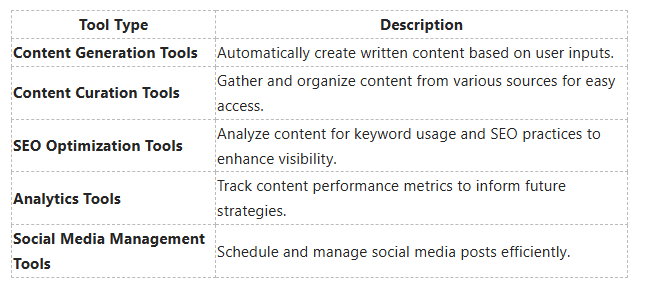
The right tools can streamline your micro-content creation process significantly. Consider apps like Canva for designing eye-catching visuals quickly, or BuzzSumo to discover trending topics that resonate with your audience. These tools can enable you to produce high-quality content that aligns with your brand's message without requiring extensive resources.
For video content, platforms such as Adobe Spark and InShot allow you to create engaging clips tailored for mobile consumption. With easy-to-use interfaces and customizable templates, you can maintain a professional look that captures attention in seconds, crucial for micro-content.
Utilizing a combination of these creation tools and platforms ensures that you're equipped to generate micro-content that is both appealing and functional for your audience.
Measuring Success: Key Performance Indicators
To gauge the effectiveness of your micro-content strategy, monitor key performance indicators (KPIs) that reflect engagement and reach. Metrics such as likes, shares, comments, and click-through rates can provide valuable insights into how your audience is interacting with your content. A higher engagement rate often indicates that your micro-content is resonating well with viewers, thus confirming the strategy's effectiveness.
Beyond engagement, consider tracking metrics like conversion rates or the growth in your follower count to assess how your micro-content is contributing to broader business objectives. For example, if a particular piece of micro-content drives significant traffic to your website, it may warrant further investment into similar formats.
Regularly analyzing these KPIs will enable you to fine-tune your approach, ensuring that you continue to create impactful micro-content that meets your objectives.
Developing a Macro-Content Strategy

Research and Planning for Macro-Content
To develop an effective macro-content strategy, begin with comprehensive research that identifies your target audience’s needs and interests. Utilize tools like Google Trends, SEMrush, or Ahrefs to uncover trending topics and relevant keywords. Gathering insights into the types of content your competitors produce allows you to pinpoint gaps in the market that your macro-content can fill, ensuring you provide value that stands out.
Next, create a detailed content calendar that outlines your topics, formats, and publication dates. This structured approach not only helps in organizing your content production but also facilitates alignment with important industry events or seasonal trends. By planning in advance, you can allocate resources effectively and ensure a steady flow of high-quality macro-content.
Techniques for In-Depth Content Creation
In-depth content creation requires a strategic approach that integrates thorough research, compelling narratives, and expert insights. Drafting detailed outlines before writing can help you organize ideas logically and ensure all key points are covered. Consider including diverse formats, such as interviews with industry experts or data-driven case studies, to enrich your content and provide authoritative perspectives that resonate with your audience.
Effective techniques for macro-content creation also involve leveraging multimedia elements. Incorporating infographics, videos, or podcasts can enhance user engagement and cater to varied learning preferences. Various studies indicate that visual content can improve information retention rates by as much as 65%, so striking a balance between text and visual aids is imperative. Utilize analytics to measure content performance and refine your approach based on what resonates most with your audience.
Repurposing Macro-Content for Additional Reach
Once you've created macro-content, repurposing it into different formats maximizes its reach and impact. You can convert a long-form blog post into an engaging webinar, series of social media posts, or a downloadable infographic. This not only saves time but allows you to tap into various audience segments that prefer specific content forms. Repurposing not only extends the life of your content but also reinforces your key messages across multiple platforms.
Furthermore, using snippets from your macro-content as micro-content pieces can drive traffic back to the original piece, increasing visibility and engagement. For instance, pull-out quotes or statistics can be used as social media graphics, while video summaries can be shared on YouTube or TikTok, guiding viewers to your comprehensive articles. By skillfully repurposing, you reinforce the value of your macro-content and reach a broader audience without compromising on quality.
Integrating Micro-Content with Macro-Content
Harmonizing Messaging Across Content Types
To achieve a seamless integration of micro-content and macro-content, you must ensure that the messaging is consistent across both formats. This involves aligning your branding, tone, and key messages so that each piece reinforces the other. Every micro-content piece—from social media posts to email snippets—should reflect the overarching themes of your macro-content initiatives. This cohesive approach not only builds brand recognition but also enhances user engagement.
Furthermore, developing a strategy that defines how your micro-content serves as a gateway to your macro-content is important. Utilize micro-content to drive traffic to longer pieces, leveraging calls to action that tie into deeper narratives. This ensures a logical flow whereby users feel compelled to explore more comprehensive content. Consistency across content types ultimately fosters stronger relationships with your audience.
Utilizing Micro-Content to Promote Macro-Content
Your micro-content can be an effective promotional tool for your macro-content by generating interest before the full release. Short teasers, engaging quotes, or compelling statistics from your macro-content can be shared on various platforms to entice your audience. This method efficiently directs traffic to your main pieces while keeping your audience engaged and informed.
Incorporating shareable graphics or quick video snippets that summarize key points of your macro-content is also advisable. These formats not only capture attention but can significantly enhance visibility across social channels, driving more traffic to your main content. Visibility of your macro-content ultimately depends on the peaking interest in the promotional micro-content.
Case Studies of Successful Integration
Several brands have excelled at combining micro-content with macro-content, yielding significant results. Case studies provide insights into how these strategies can be effectively implemented.
- Coca-Cola: Utilized short social media clips to generate buzz around their full-length commercials, resulting in a 25% increase in views for the main content.
- HubSpot: Shared micro-content snippets from their eBooks that led to a 35% rise in downloads within a month.
- Nike: Used micro-videos on Instagram that highlighted products, which drove a 40% increase in macro-content engagement on their website.
- Buffer: Leveraged social media posts to promote their deeper insights, resulting in a doubling of reader engagement on their blog posts.
- Airbnb: Generated interest with micro-stories on Instagram, enhancing traffic to their long-form travel guides by 50%.
These examples showcase how strategically implemented micro-content can enhance the visibility and engagement of macro-content. Each case reflects distinct approaches that underline the importance of adaptability and creativity in content strategy.
- Dove: Successfully combined social media challenges that linked to their full documentaries, achieving a 60% increase in campaign reach.
- LinkedIn: Promoted webinars through micro-posts, resulting in a threefold increase in registration rates.
- Slack: Used gifs and memes to drive interest towards their white papers, enhancing downloads by 30%.
- Spotify: Engaged users with playlists that featured snippets of podcast episodes, increasing listen counts by 20%.
- TED: Shared short clips from lectures, leading to a significant boost in views for their full videos by 45%.
The Role of Social Media in Content Distribution
Platforms Ideal for Micro-Content Sharing
Platforms such as Instagram, TikTok, and Twitter are exceptional for micro-content sharing. With their character limits and visual-centric formats, these platforms thrive on quick, digestible content that can catch the reader's attention in seconds. For instance, Instagram stories are designed for short-lived, engaging posts that can offer immediate value through strong visuals and short captions, making it ideal for brands looking to convey messages quickly.
Moreover, TikTok’s format allows for creativity in presenting information through short videos, often enhancing engagement. You can leverage trends, sounds, and challenges to reach wider audiences and boost your brand's visibility. Utilizing Twitter's threads and concise tweets can also promote discussions around your macro-content, while allowing followers to consume bite-sized insights before diving deeper.
Strategies for Amplifying Macro-Content through Social Media
To maximize the reach of your macro-content, consider using teaser posts that highlight the most compelling aspects of your long-form content. By creating visually appealing snippets, you generate curiosity that leads your audience to explore the complete piece. Consider sharing infographics or short video clips that summarize key points, enhancing your chances of engagement while providing value.
Additionally, don’t underestimate the power of cross-promotion. Sharing your macro-content across various social media channels not only increases visibility but may help you tap into different audience segments. Each platform has unique demographics; by aligning your content strategy with the right platforms, you ensure that your macro-content reaches its intended audience effectively.
Engaging with your audience through interactive polls or questions related to your macro-content can also amplify visibility and drive traffic. Inviting your audience to share their thoughts encourages community-building while positioning you as an authority in your niche.
Measuring Social Media Impact on Content Performance

To evaluate the effectiveness of your social media strategy, employing analytics tools is vital. Metrics such as engagement rates, click-through rates, and conversion rates provide quantitative insights into how well your content is performing. For example, a consistent rise in your engagement rate after sharing macro-content could indicate that your audience finds it compelling. Furthermore, tracking the volume of shares and comments can also guide you in refining your strategy based on audience feedback.
Understanding the performance of each platform can inform future content decisions. If you notice that TikTok drives more traffic than Instagram for a specific piece of macro-content, you can adjust your strategy accordingly. Analyzing these trends over time helps you fine-tune your approach to not only maximize engagement but also enhance overall content distribution effectiveness.
Regularly reviewing these analytics allows you to adapt your tactics swiftly. If a particular type of content resonates well, consider producing more of it. Adjusting your sharing frequency and timing can also significantly affect visibility and engagement levels, leading to increased overall performance of your macro-content.
Content Personalization and Its Impact
Understanding Personalization in Content Delivery
Personalization in content delivery refers to the tailored experience offered to users based on their behaviors, preferences, and demographics. By leveraging data analytics, you can segment your audience and serve them content that resonates with their specific interests. For instance, personalized email campaigns can boast open rates up to 29% higher than standard messages. This level of customization not only increases engagement but also shapes the perception of your brand as attentive and relevant.
Effective personalization goes beyond mere demographic data; it intensifies your approach by focusing on user journey analytics. Utilizing tools like A/B testing allows you to refine your content further, making it more aligned with what each user finds valuable. A study found that companies executing personalization strategies see a 20% increase in sales, illustrating the direct correlation between tailored content and business outcomes.
Balancing Personalized Micro and Macro Content
To successfully balance personalized micro and macro content, you must integrate both strategies seamlessly. Micro content, such as social media posts or individual email blasts, can be highly customized to target specific audience segments, ensuring immediate engagement. On the other hand, macro content, like comprehensive guides or in-depth articles, establishes your authority and serves broader audience needs. Striking this balance ensures you capture attention while fostering ongoing relationships with your audience.
Consider creating a macro content piece that addresses a major pain point relevant to your audience, and then break it down into smaller, sharable micro content pieces. This approach not only drives traffic back to your main content but also provides personalized touchpoints that cater to the varied preferences of your audience. Case studies reveal that companies implementing this blend notice an uplift in retention rates and overall interaction.
Utilizing analytics enables you to monitor which types of content perform best and make informed decisions about future content creation. This ongoing evaluation fosters a dynamic personalization strategy that evolves with your audience’s needs.
Tools for Personalization and Automation
There are numerous tools available that help automate personalization efforts, saving you time and ensuring consistency across platforms. Email marketing services like Mailchimp or ConvertKit allow for segmentation and automated content delivery tailored to user behaviors. Similarly, customer relationship management (CRM) systems such as HubSpot provide deep insights that can guide your content strategy effectively. Businesses using these tools have reported up to 3x higher conversion rates, underscoring the power of automation in achieving personalized interactions.
Additionally, social media management tools, like Hootsuite, enable you to analyze audience engagement metrics and tailor content for specific platforms or demographics. Automation not only streamlines your content distribution process but also enhances the overall user experience by ensuring that your offerings feel personalized and timely.
Utilizing a combination of these tools can help you create a well-oiled machine that personalizes at scale. Automate your micro-content distribution while keeping macro-content creation flexible and responsive to user feedback for optimal results.
Future Trends in Micro and Macro Content
Emerging Formats for Micro-Content
Micro-content is evolving rapidly with platforms adopting new ways to engage users through bite-sized pieces of information. Short-form videos, like those on TikTok or Instagram Reels, are gaining traction, showcasing the effectiveness of visual storytelling in a matter of seconds. Additionally, audio snippets and interactive polls provide engaging formats that encourage user interaction, enabling users to participate and feel a sense of community.
Moreover, AR filters and user-generated content challenges are setting new standards for what micro-content can achieve. By leveraging augmented reality, brands can offer unique experiences that resonate with younger audiences looking for interactive fun. As audiences continue to favor quick, engaging formats, your strategy must adapt to incorporate these trends to maintain relevance.
The Evolution of Macro-Content in Digital Marketing
Macro-content is no longer solely about long-form articles or videos; it’s evolving into comprehensive packages that integrate various media types. Successful campaigns now encompass elements like multi-episode series across platforms, utilizing visual, auditory, and textual skills to capture attention holistically. Studies show that content including video in its format can increase viewer retention by over 80%, making it a key component in your macro-content strategy.
The demand for thorough, in-depth pieces has led to a wave of long-form podcasts, and in-depth case studies, focusing on niche topics that provide genuine value. Audience preferences are shifting towards content that not only entertains but also educates, creating avenues for your brand to position itself as a thought leader in your industry.
Predicting User Engagement Trends
As digital landscapes change, predicting user engagement trends requires monitoring shifts in technology and consumption behaviors. You must keep an eye on emerging analytics tools that promise to provide deeper insights into user interactions with both micro and macro content formats, revealing what resonates most with your audience. Incorporating tools like sentiment analysis can help you gauge user responses, guiding content creation that aligns more closely with their preferences.
Looking ahead, user-generated content will likely dominate, as authenticity continues to be a significant driver of engagement. With platforms encouraging creators to share personal experiences, you can leverage this trend by incorporating customer testimonials and case studies into your macro content while inspiring micro moments of interaction through challenges or contests.
Pitfalls to Avoid When Balancing Content Types

Overemphasis on One Type of Content
When you lean too heavily toward either micro or macro content, you risk alienating a portion of your audience. For instance, if you solely produce quick, bite-sized content, you may attract viewers seeking immediate gratification but fail to connect with those looking for in-depth insights. This imbalance can lead to a lack of comprehensive engagement, as not all of your audience will find value in a single content approach.
On the flip side, prioritizing macro content exclusively may overwhelm your followers with extensive articles or videos, leaving little room for the snackable enjoyment that micro content provides. The challenge lies in striking a balance, ensuring that your overall strategy encompasses both types of content effectively. This will help maintain and grow your audience.
Compromising Quality for Quantity
As you increase content production, the temptation to sacrifice quality for higher output can become a significant pitfall. You might feel pressure to deliver more content regularly, but diminishing the caliber of your posts can negatively impact your brand’s credibility and audience trust. Research indicates that posts with high-quality visuals and well-researched information tend to see higher engagement rates than lower-quality alternatives, reinforcing the idea that quality should never be overlooked.
Additionally, your audience is likely to detect when content feels rushed or poorly produced. This loss of trust can lead to decreased interactions and ultimately cause them to disengage from your brand altogether. By maintaining a focus on quality rather than merely increasing quantity, you can ensure that each piece of content continues to resonate with your audience.
Striking the right balance between quality and quantity is fundamental to content strategy success. You should aim to develop a sustainable workflow that allows for the regular creation of high-quality content without overwhelming yourself or your audience. Effective planning mechanisms, such as an editorial calendar, can ensure you produce engaging content on a consistent basis while still upholding high standards.
Neglecting Audience Engagement
Your content strategy must prioritize engaging with your audience. If you overlook the importance of interaction—such as responding to comments or incorporating audience feedback—you could create a disconnect that hampers overall content effectiveness. Engagement metrics are telling; they often indicate how well your content resonates with your audience. When you neglect these aspects, the potential community that could form around your content diminishes.
Moreover, engagement promotes a two-way dialogue that can enhance your content's relevance and quality. By actively involving your audience, you can glean insights into their preferences, shaping future content to align with their interests. You benefit from their involvement, establishing deeper connections that foster brand loyalty and advocacy. This can lead to a positive cycle of feedback that continually improves your content strategy.
When you prioritize engagement, you not only elevate the value of your content but also create an environment that encourages community building. Your audience wants to feel heard and valued, so making them part of the process can lead to more impactful content that drives results.
Case Studies and Success Stories
- BuzzFeed: Generates over 75% of its traffic from mobile, emphasizing short, engaging quizzes and listicles, which leads to users spending up to 117% more time on site.
- HubSpot: Reports that businesses using a mix of micro-content and macro-content have seen conversion rates increase by up to 56%. Their success with a comprehensive guide coupled with related blog snippets shows effective content balancing.
- Red Bull: Achieved a 25% increase in brand awareness through a blend of action-packed videos and concise social media updates, allowing them to reach diverse audiences.
- Canva: Utilized tutorial videos (macro-content) while consistently posting design tips (micro-content), leading to a growth in user engagement by 150%.
- Wendy's: Leveraged witty tweets (micro-content) alongside full-length marketing campaigns, resulting in a 32% increase in social media engagement over one year.
Notable Brands Excelling in Content Balance
You’ll find brands like Nike skillfully leveraging both micro and macro content to engage customers. With their expertly crafted social media posts paired with in-depth campaign videos, they maintain a balanced approach that resonates with different audience segments. This strategy has led to a reported 7% growth in customer loyalty and a significant increase in overall sales.
Similarly, L’Oreal employs a strategic mix of shorter beauty tips on platforms like Instagram and more extensive tutorials on YouTube. This dual approach has created a comprehensive customer journey that attracts millions of views, contributing to an industry-leading position in cosmetic sales.
Lessons Learned from Failures in Content Strategy
Several brands have stumbled during their attempts to balance content types, highlighting what can go wrong. For instance, a well-known clothing retailer focused too heavily on micro-content through social media without supporting it with substantial blog content. This resulted in diminished brand authority and a drop in organic search traffic by 30%. You must ensure that micro-content supports the broader narrative rather than becoming a standalone effort.
Additionally, a tech giant invested heavily in long-form content but neglected the need for quick, digestible posts on social media. Following this misstep, they saw a significant decline in user engagement, emphasizing the importance of consistent messaging across all formats. Balancing your content strategy to cater to both quick reads and detailed analyses can prevent such pitfalls.
Evaluating past failures provides key insights into maintaining a successful balance in content strategy. By understanding how the absence of micro-content can erode engagement or how an overreliance on digital white papers leads to community disengagement, you can forge a path forward that actively enhances user interaction and retention.
Innovative Approaches to Content Balance
Many brands successfully implement innovative strategies that marry micro and macro content effectively. For example, a popular travel company utilizes stunning visual narratives (macro-content) while creating shareable Instagram posts featuring travel tips and quick hacks for travelers (micro-content). This not only broadens their reach but also continually attracts new customers, enhancing brand loyalty.
Likewise, some e-commerce platforms have experimented with augmented reality experiences that serve as engaging macro content while incorporating sign-up offers and flash sales as micro-content. Such strategies have improved visitor retention and conversion rates, highlighting the value of cross-format content creation in capturing attention.
Incorporating novel techniques, such as interactive content that engages users while providing valuable information, will further refine your approach. You may consider incorporating polls, quizzes, or other interactive elements alongside your traditional content forms to enhance engagement and retention.
Final Words
To wrap up, balancing micro-content and macro-content is crucial for enhancing your digital strategy. Micro-content engages your audience through quick, digestible pieces that capture attention, while macro-content allows you to express deeper insights and offer more comprehensive value. By mixing both effectively, you ensure that you cater to various consumer preferences and consumption habits, keeping your brand relevant and engaging.
For maximum impact, you should assess your audience's needs and how they interact with your content. Utilize micro-content for immediate engagement and to drive traffic, while leveraging macro-content for in-depth exploration and credibility. By strategically aligning both types of content, you create a cohesive narrative that resonates with your audience, ultimately leading to increased engagement and loyalty.
FAQ
Q: What is micro-content?
A: Micro-content refers to small, easily digestible pieces of information designed for quick consumption. Examples include social media posts, short articles, or infographics that convey a specific message succinctly.
Q: What is macro-content?
A: Macro-content encompasses longer, in-depth pieces like blog posts, eBooks, podcasts, or videos that provide comprehensive information on a particular topic, allowing for deeper engagement and understanding.
Q: How can businesses determine the right balance between micro-content and macro-content?
A: Businesses can assess their audience's preferences and goals, analyze engagement metrics, and consider the marketing objectives to find the optimal mix of micro-content and macro-content that resonates with their target audience.
Q: What are the benefits of using micro-content?
A: Micro-content is effective for grabbing attention quickly, improving shareability on social media, increasing website traffic, and catering to users with shorter attention spans, thus enhancing overall engagement.
Q: How does macro-content contribute to brand authority?
A: Macro-content establishes brand authority by providing valuable insights, demonstrating expertise, and building trust with the audience. It fosters deeper connections and encourages long-term loyalty through rich, informative content.
This is paragraph text. Click it or hit the Manage Text button to change the font, color, size, format, and more. To set up site-wide paragraph and title styles, go to Site Theme.