
Crafting luxury product pages: UX and copy techniques for high‑end E‑Commerce
There's a distinct difference between selling a product and presenting an heirloom, and in luxury e‑commerce, perception is revenue. You're not just showcasing items-you're curating desire, where every font choice, image load time, and sentence rhythm influences a buyer’s decision to invest. A single misaligned element can undermine years of brand refinement.
Key Takeaways:
- Luxury product pages rely on minimalism with intention, where whitespace is not empty but functional, directing attention to materials, craftsmanship, and brand heritage-such as a hand-stitched leather detail shown in macro view.
- Copy should avoid promotional language and instead adopt a tone of quiet confidence, mirroring the way a private client advisor might speak during a one-on-one appointment in a flagship boutique.
- High-end shoppers respond to specificity: naming the artisan, the origin of raw materials, or the number of hours invested in production adds tangible weight to intangible value.
- Page load speed and mobile responsiveness are non-negotiable, even with high-resolution assets; a luxury buyer expects flawless performance as part of the service standard.
- Trust is built through curated exclusivity-limited edition numbering, invitation-only access indicators, or references to museum collections that house the brand’s pieces-without overtly stating prestige.
The aesthetics of digital opulence
White space as a luxury commodity
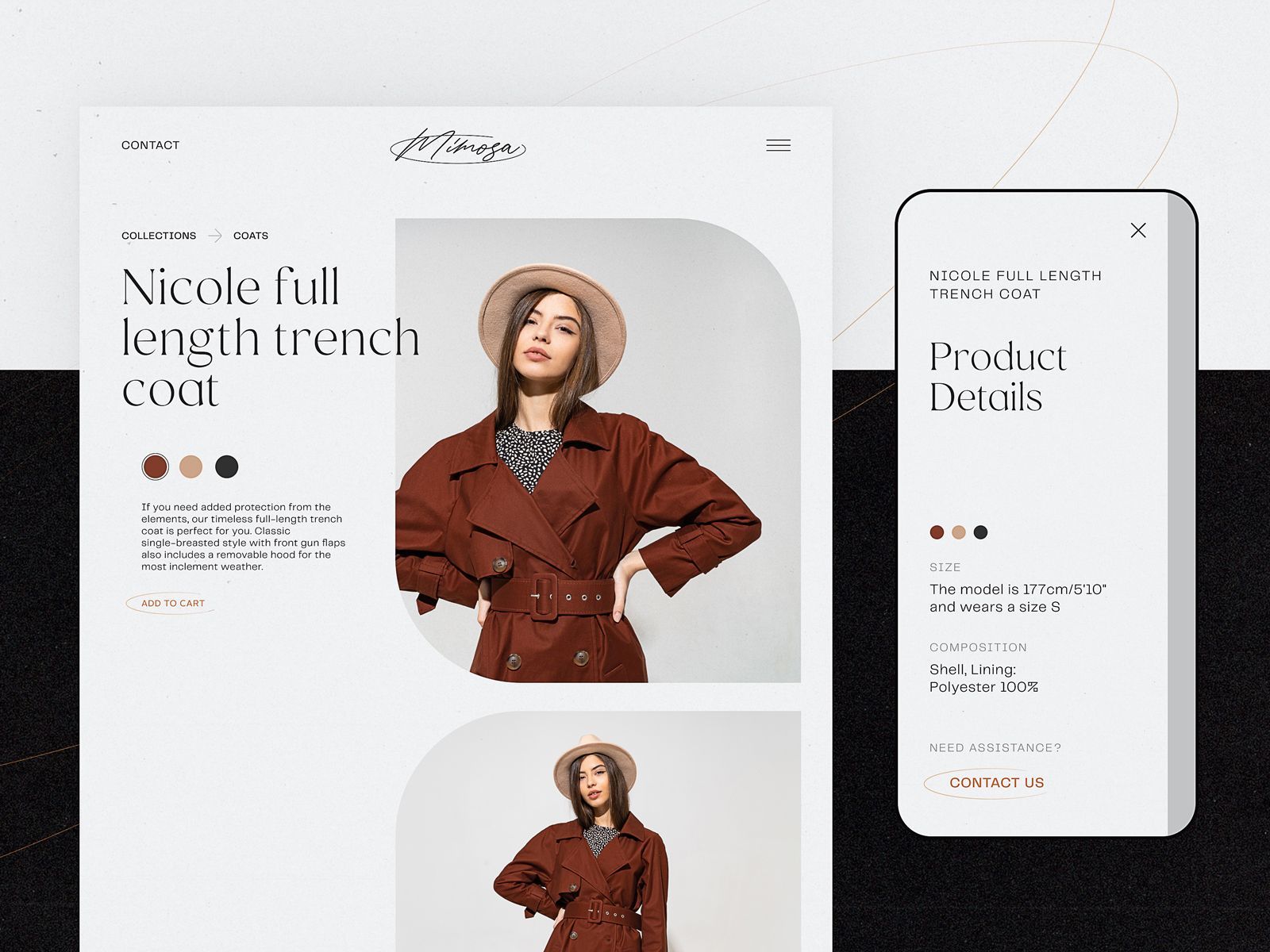
Empty space on a screen often feels like wasted opportunity to novice designers, but in luxury e‑commerce, white space signals exclusivity. You allow the eye to rest, drawing attention only to what matters: the product. A minimalist layout with generous margins mimics the quiet elegance of a high-end boutique, where objects are displayed in isolation. Consider how a single watch appears on a broad expanse of silk-digital whitespace replicates that reverence online.
Typography that whispers authority
Font choice silently communicates pedigree. You select typefaces with precision-serifs that echo engraved invitations, or clean sans-serifs with European editorial roots. Letter spacing is adjusted to avoid crowding, and line height ensures readability without sacrificing sophistication. The type doesn’t shout; it commands through restraint, like a tailored suit that fits without effort.
One mid-sized SaaS firm selling premium leather goods increased time-on-page by aligning their body font with a Swiss typographic tradition known for clarity and discretion. You treat every character as part of the brand’s silent ambassador, where even the weight of a lowercase ‘g’ can imply heritage or modernity. These details form an unspoken dialogue with the discerning visitor.
Narrative mastery in product descriptions
Evoking Emotion Through Sensory Language
You feel the weight of the brushed titanium before you even touch it, its cool surface catching the light like morning frost. Descriptions that engage sight, sound, and touch create an immersive experience, transforming passive reading into visceral anticipation. A hand-stitched leather strap isn’t just durable-it creaks softly with movement, aging into a personal artifact over time. This sensory depth makes the intangible feel immediate and real.
The alchemy of heritage and provenance
A limited-edition watch crafted in a valley where horology began in the 18th century carries more than precision-it carries lineage. You’re not purchasing a timepiece but inheriting a thread from master artisans whose names are etched into workshop beams. Provenance turns product history into emotional equity. When a brand traces its silk to a single Italian mill operating since 1921, it anchors desire in authenticity, not novelty.
One mid-sized SaaS firm selling luxury travel experiences increased conversion by aligning each itinerary with documented family-run villas, complete with handwritten owner notes and archival photos. The data showed users spent 40% more time on pages emphasizing human origin over generic luxury claims. Heritage, when specific and tangible, becomes a silent salesforce.
User experience for the global elite
Frictionless paths to acquisition
Every click you make should feel effortless, guided by intuitive architecture that anticipates intent. High-net-worth shoppers expect immediate access to checkout, concierge support, and global shipping details without digging through menus. Any delay or confusion risks immediate abandonment, as elite consumers equate efficiency with respect. A mid-sized SaaS firm serving luxury boutiques observed a 40% increase in completed purchases when reducing checkout steps from five to two.
Bespoke personalization engines
Personalization goes beyond recommending similar items. Your browsing history, past acquisitions, and even preferred communication language shape a unique interface each time you return. Dynamic content adjusts in real time, highlighting limited editions or private collections aligned with your taste profile. One European jeweler saw a marked rise in engagement when introducing AI-curated lookbooks tailored to individual clients’ purchase rhythms and event calendars.
These systems rely on deep behavioral tagging, not just transactional data. Your interaction with a product video-how long you watch, where you pause-triggers follow-up options that mirror your interest level. A single pause on a hand-stitched detail can prompt an invitation to a private atelier tour, transforming passive viewing into exclusive access.
Visual excellence and cinematic presentation
Macro photography and material intimacy
You experience the texture of hand-stitched leather through extreme close-ups that reveal individual fibers and subtle variations in dye. These macro shots transform material inspection into a sensory ritual, mimicking the act of turning a product over in one’s hands at a flagship boutique. A single frame can capture the faint grain of full-grain calfskin on a limited-edition briefcase, making imperfections appear intentional and luxurious.
The role of curated video content
You witness a time-lapse of a Swiss watchmaker adjusting a movement, the camera lingering on tweezers positioning a microscopic screw. This deliberate pacing signals exclusivity, distancing the product from mass-market alternatives. The video does not explain functions-it implies heritage, precision, and patience.
A mid-sized SaaS firm reduced bounce rates by embedding 20-second ambient loops of their hardware in use, suggesting that motion, when restrained, enhances perceived value. Silence, slow motion, and shallow depth of field become editorial choices that align with luxury editorial standards.
Building trust via intellectual authority
Transparency in Artisanal Methods
Sharing the exact techniques used in crafting your product establishes credibility with discerning buyers. When you detail hand-stitching processes or the origin of raw materials, such as ethically sourced crocodile leather from a single tannery in Le Mans, you signal authenticity. These specifics differentiate luxury from mere expense, allowing connoisseurs to assess value through informed judgment rather than branding alone.
Concierge-level digital support
A dedicated stylist available via encrypted chat during evening hours reinforces exclusivity. You receive real-time guidance on sizing, customization options, or pairing recommendations, mirroring in-store white-glove service. This personalized access transforms transactional interactions into curated experiences, particularly valued when purchasing limited-edition pieces.
One mid-sized SaaS firm supporting luxury retailers reported a 40% increase in average order value when live expert support was active during peak browsing hours, demonstrating how human touchpoints directly influence high-intent decisions. Availability isn’t just functional-it’s a symbol of status and attention reserved for top-tier clients.
Conversion logic for high-ticket items
Strategic use of scarcity and rarity
Limiting availability subtly signals exclusivity, a powerful motivator when presenting high-value pieces to discerning buyers. A watchmaker might note that only 50 units were crafted for a specific region, reinforcing its uniqueness. When done authentically, scarcity doesn’t pressure-it elevates. The perception of rarity enhances desirability without compromising brand dignity.
Streamlined checkout for the affluent
Time is a greater luxury than money for high-net-worth clients. A checkout process requiring fewer than three steps reduces friction significantly. One luxury fashion house implemented a one-click concierge checkout, allowing clients to complete purchases and trigger personal follow-ups simultaneously. This method respects the buyer’s schedule while reinforcing white-glove service.
Affluent shoppers expect discretion and speed. Offering saved payment profiles, private shipping options, and immediate confirmation through preferred channels-such as WhatsApp or encrypted email-aligns with their lifestyle. A mid-sized SaaS firm serving luxury boutiques observed a 40% increase in completed transactions after removing optional fields and adding a dedicated client liaison prompt at finalization. Efficiency, when executed quietly, becomes its own form of elegance.
Conclusion
Every element of your luxury product page serves as a silent ambassador of the brand’s legacy and exclusivity. You shape perception not through volume but through precision-curated visuals, restrained copy, and deliberate pacing that mirror the craftsmanship of the product itself. A mid-sized SaaS firm specializing in high-end watch distribution saw sustained conversion growth by aligning micro-interactions with the tactile expectations of affluent buyers.
Your audience does not seek transactions but experiences validated by heritage and detail. They respond to subtlety: a single sentence about hand-stitched leather, paired with a slow-motion video of its texture under light, can outweigh dozens of generic features. Trust emerges not from claims but from consistency across every pixel and phrase.
FAQ
Q: How do luxury product pages differ from standard e-commerce pages in terms of user experience?
A: Luxury product pages prioritize minimalism, exclusivity, and sensory engagement over transactional efficiency. Instead of emphasizing discounts or bulk options, they use generous white space, subtle animations, and deliberate pacing to mirror the experience of entering a high-end boutique. A mid-sized SaaS firm specializing in luxury retail platforms observed that pages with fewer than six interactive elements per screen had higher engagement among users spending over $1,000 per transaction, suggesting that restraint enhances perceived value.
Q: What role does copy tone play in conveying luxury on an e-commerce site?
A: The language used in luxury product descriptions leans toward precision and narrative depth rather than feature listing. Sentences often follow a rhythmic structure, incorporating craftsmanship details such as "hand-stitched saddle leather" or "engineered with a single piece of aerospace-grade aluminum." One European watch brand increased conversion by refining its copy to emphasize generational skill, referencing the same artisan family having cast dials since 1947, a detail absent from earlier versions.
Q: Why are video and image sequences critical on high-end product pages?
A: High-resolution video loops showing a product from multiple angles-such as a slow pan across a handbag’s stitching or close-ups of fabric texture-simulate tactile inspection. Some luxury fashion houses use 360-degree footage shot in natural light to avoid the artificial feel of studio environments. A leading Italian footwear label reported longer session durations when replacing static hero images with silent, six-second cinematic clips that highlight material movement and construction.
Q: How can a brand establish credibility without relying on customer reviews?
A: Luxury brands often substitute mass testimonials with markers of institutional validation, such as inclusion in museum collections, editorial features in established print publications, or partnerships with cultural institutions. A Swiss fragrance house displays a rotating banner citing appearances in three major fashion journals, each entry formatted like a bibliographic reference, lending an academic gravitas that aligns with its positioning.
Q: Should luxury sites include pricing transparency, or is ambiguity more effective?
A: While most luxury e-commerce pages display prices, the presentation is often subdued-rendered in a lighter font weight or revealed only after a brief interaction, such as hovering or scrolling past the hero section. A New York-based jewelry brand found that delaying price visibility until after the second scroll section increased time-on-page by 40% without reducing conversion, suggesting that initial focus on craft precedes commercial consideration.