
Managing returns and service expectations for high‑end E‑Commerce customers
eCommerce demands precision when serving high-end customers, where returns are not failures but expectations. You operate in a space where luxury meets convenience, and service missteps damage brand perception more than lost revenue. Every touchpoint, from checkout to return, must reflect the exclusivity promised. A single friction point can turn a premium experience into a cautionary tale.
Key Takeaways:
- A luxury watch retailer reduced return rates by clearly displaying case dimensions and strap materials in 360-degree video, addressing one of the most common reasons for dissatisfaction: inaccurate size perception.
- High-end customers expect return windows of at least 30 days, with some premium brands extending to 60 days, signaling trust and reducing purchase friction.
- One designer apparel brand eliminated restocking fees entirely for first-time returners, resulting in a measurable increase in repeat purchases within six months.
- Real-time service updates via SMS or branded apps-such as notification when a return is processed or a replacement ships-reduce customer inquiries by up to half during peak periods.
- A European handbag label assigns dedicated service agents to VIP clients, ensuring continuity and personal recognition, which has led to higher satisfaction scores even when returns are necessary.
The psychology of the discerning shopper
The paradox of perfection
High-end shoppers expect flawless execution, yet their tolerance for error is not zero-it’s conditional. A minor shipping delay may be forgiven if the unboxing experience feels personal and deliberate. What matters most is not the absence of hiccups, but how they are resolved. A single misstep handled with grace can strengthen loyalty more than a flawless transaction ever could. Perfection, in this context, is not operational purity but emotional alignment.
Emotional stakes in luxury acquisition
Purchasing a luxury item often marks a milestone, a reward, or a statement of identity. The emotional weight behind the transaction exceeds the financial one. When a return becomes necessary, it risks undermining that significance. A poorly managed process can feel like a rejection of the customer’s self-image. Sensitivity to this subtext transforms service from transactional repair to psychological reassurance.
Consider a client returning a limited-edition handbag after careful reconsideration. The item arrives back in pristine condition, but what lingers is the tone of the return confirmation email. A generic template risks signaling indifference, while a handwritten note from a dedicated concierge reaffirms their status. This moment, small in cost, carries disproportionate emotional resonance. The return is not the end of the journey but a pivot point in the relationship.
Crafting the invisible safety net
Policy as a gesture of goodwill
Offering an extended return window signals confidence in your product and respect for the customer’s decision-making process. A luxury skincare brand, for instance, allows 90 days with no questions asked, turning policy into an unspoken promise of quality. This flexibility reduces hesitation at checkout, where high-end buyers weigh perceived risk. The policy isn’t just functional-it becomes a symbol of trust, reinforcing the brand’s commitment to satisfaction beyond the sale.
Seamless logistics as concierge service
Premium customers expect returns to feel effortless, not transactional. A high-end watch retailer includes pre-paid, insured shipping labels in every box, with packaging designed to protect delicate items. Returns are processed within 24 hours of receipt, and refunds appear in the customer’s account within two business days. The experience mirrors private client service, where convenience is non-negotiable.
Coordination with white-glove carriers ensures pickups occur at the customer’s preferred time, often the same day a request is made. One European leather goods house partners with a global logistics provider to offer real-time tracking with personalized updates, making the return feel less like a process and more like a private arrangement.
The digital mirror: accuracy in presentation
High-fidelity visuals and haptic descriptions
Photography that captures fabric drape, thread density, and subtle color shifts under different lighting allows you to assess quality before purchase. High-resolution zoom features reveal stitching precision and material texture, replicating the in-store inspection. Pair these visuals with descriptive copy that evokes touch-mentioning weight, stiffness, or softness-so customers form an accurate sensory impression. A luxury watch retailer, for instance, might describe the coolness of stainless steel against skin or the sweep of a second hand.
Minimizing the gap between screen and senses
Even with excellent imagery, the absence of physical interaction creates risk. You reduce that risk by aligning digital representation with real-world behavior. Materials shown in video should move as they do in person, whether it’s the fluid swing of a silk dress or the structured resistance of a leather tote. One high-end audio brand films headphone padding compressing under light pressure, demonstrating resilience and comfort without physical trial. These cues build reliable expectations.
Consistency across devices ensures the color of a cashmere coat appears the same on mobile, tablet, and desktop. Color-calibrated workflows prevent misleading shifts in hue that trigger returns. A home goods brand once reported a 30% drop in returns after implementing standardized lighting and monitor calibration across its photography studio, proving that technical rigor directly impacts customer satisfaction.
irtual fitting and augmented reality
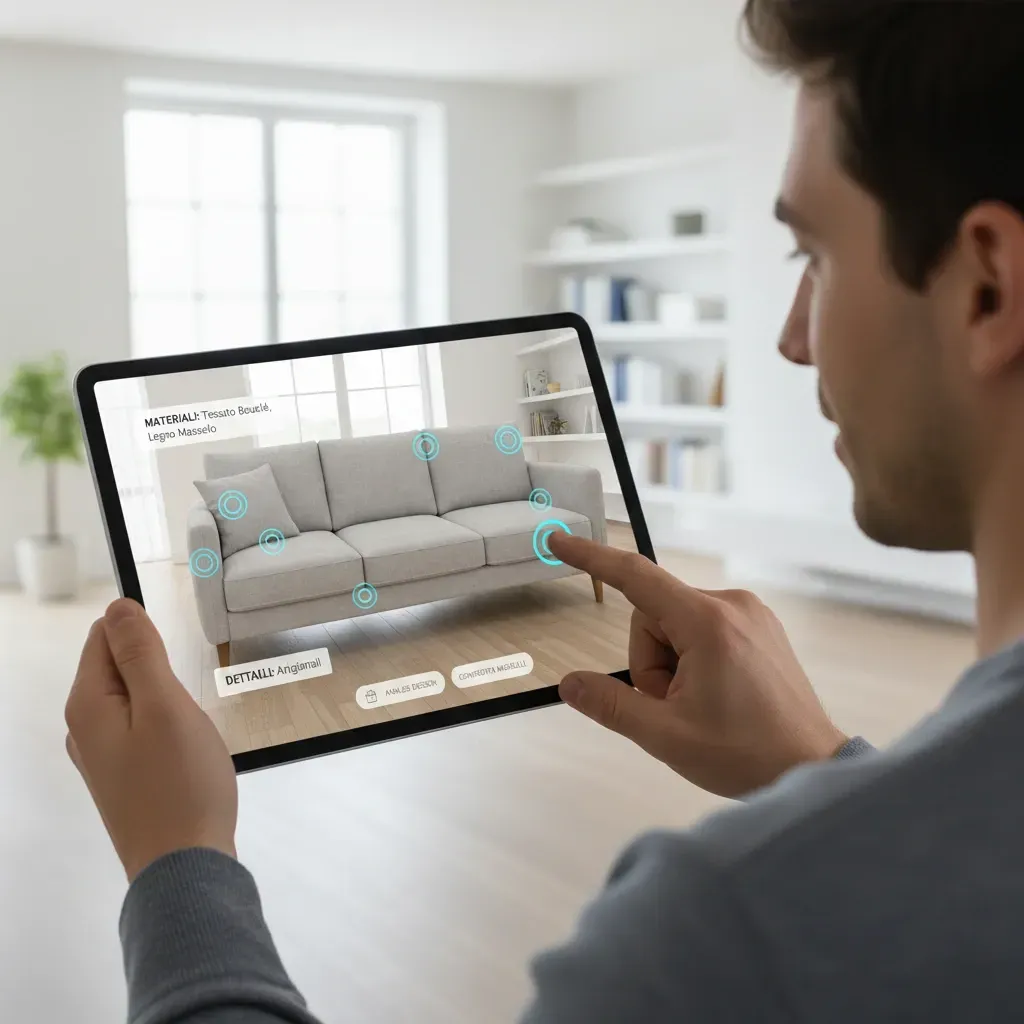
Augmented reality tools let you project furniture into your living space or try on eyewear through a smartphone camera. These tools bridge imagination and reality, reducing uncertainty in scale and proportion. Brands like luxury eyewear labels now embed AR try-on directly in product pages, increasing confidence without requiring third-party apps. When the virtual frame aligns with facial structure in real time, the decision feels grounded.
For apparel, virtual fitting goes beyond size charts by incorporating body scanning and brand-specific cut data. You input measurements or use a camera to generate a personal avatar, then see how a tailored jacket drapes across the shoulders. One European fashion house reported fewer size-related returns after introducing an AR fitting feature, as customers could visualize fit across multiple garments in sequence.
Communication as a fine art
Proactive Updates and Personal Touchpoints
Anticipating customer needs before they arise sets the standard for elite service. Sending a personalized email when an order ships, including a handwritten note from the fulfillment team, transforms a routine transaction into a memorable interaction. A high-end skincare brand, for instance, includes a brief video message from the packer wishing the client well, reinforcing emotional connection alongside product care.
Managing delays with grace
When a limited-edition handbag shipment from Italy faces customs scrutiny, silence erodes trust instantly. Instead, a timely message explaining the hold, paired with a 24-hour delivery update window, maintains credibility. Offering a discreet courtesy-like expedited reshipment or a private shopping link-turns frustration into loyalty reinforcement.
One luxury watch retailer assigns a dedicated concierge to clients affected by delays, providing direct access via WhatsApp. This human layer ensures complications feel managed, not merely reported, and positions the brand as protective of the client’s time and investment.
The etiquette of automated responses
A return confirmation email that reads like a form letter undermines the premium experience. Automation should feel invisible, not impersonal. Triggered messages must reflect brand voice-warm, precise, and deferential-using the client’s name and referencing the specific item, such as a cashmere coat in midnight blue.
An automated return label is efficient, but pairing it with a brief note acknowledging the return reason-“We’re sorry the fit wasn’t quite right”-adds empathy without effort. A Parisian atelier includes a QR code in their return flow linking to a stylist consultation, turning a backward step into a forward engagement.
The economics of the return loop
Turning a refund into a relationship
Handling a return with precision and care can transform a transactional moment into a lasting impression. When you respond promptly and courteously to a return request, you signal respect for the customer’s time and judgment. A high-end shopper who receives a personalized note or a swift exchange option is more likely to view the brand as attentive rather than adversarial. One luxury skincare brand saw repeat purchase rates rise after introducing handwritten acknowledgments with return confirmations.
Mitigating loss through exceptional recovery
Every return represents a potential loss, but how you manage it determines whether that loss compounds or converts. A swift resolution that includes clear instructions and prepaid shipping reduces friction and lowers the chance of customer defection. Some premium apparel retailers have reduced net return costs by offering immediate store credit upon shipment confirmation, encouraging continued engagement before the item even arrives back.
Exceptional recovery often includes proactive outreach. If a customer returns a designer handbag due to color mismatch, sending a curated selection of complementary accessories with the refund confirmation can soften the disappointment. This gesture doesn’t erase the return but positions the brand as invested in satisfaction beyond the sale, turning a logistical setback into a demonstration of service ethos.
Incentivizing exchanges over refunds
Encouraging customers to swap an item instead of canceling the order preserves revenue and reduces logistical strain. Offering free expedited shipping on the replacement or a small add-on gift makes the exchange feel like an upgrade rather than a correction. A mid-sized SaaS firm serving luxury fashion brands found that clients using targeted exchange incentives saw a 30% reduction in full refunds.
These incentives work best when they align with the customer’s original intent. If a silk blouse arrives and the fit is off, suggesting a different size along with styling tips reinforces expertise. The goal is not to block refunds but to make exchanges more appealing, ensuring the customer stays within the ecosystem and maintains momentum toward a resolved purchase.
Future-proofing the boutique experience
Predictive preferences and artificial intelligence
You anticipate needs before they surface, using AI to analyze past behavior and refine recommendations. A customer who browses limited-edition evening gowns in silk crepe may later receive curated alerts about an exclusive atelier drop, timed with their purchase cycle. This precision reduces decision fatigue and strengthens perceived personalization, turning transactional moments into intuitive dialogues. Machine learning models evolve with each interaction, ensuring relevance without overreach.
Sustainable elegance in packaging
You replace single-use fillers with compostable molded pulp and silk-replacement dust bags made from Tencel. Unboxing remains luxurious but aligns with ecological responsibility, a non-negotiable for high-end shoppers under 45. Brands like Reformation and Gabriela Hearst have demonstrated that sustainability enhances exclusivity when design integrity is preserved.
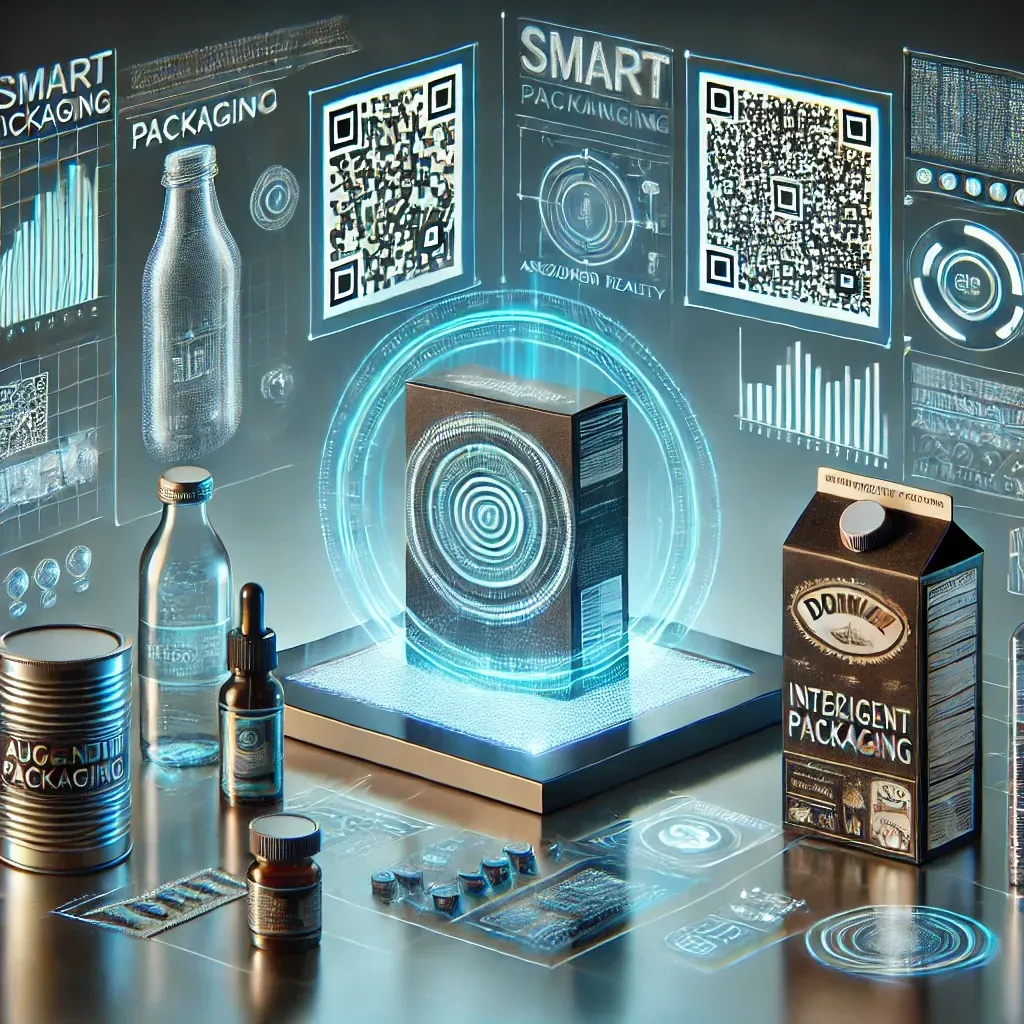
Each box carries a discreet QR code linking to the material’s origin and end-of-life instructions, reinforcing transparency. You treat packaging not as disposal but as an extension of craftsmanship, where even the tape is plant-based and the ink soy-derived. Customers keep boxes as keepsakes, repurposing them for jewelry storage, which extends brand presence into private spaces.
Conclusion
Handling returns for high-end e-commerce demands precision, discretion, and an unwavering commitment to service consistency. You set expectations not through promises but through every interaction, from packaging to refund processing. A luxury customer returning a handbag from a Parisian atelier expects the same care as during purchase, including insured shipping, authentication checks, and timely restocking fee disclosures. Your return policy is not a back-end procedure but a direct reflection of brand integrity.
Anticipating needs before they arise defines the elite experience. You provide dedicated concierge lines for return inquiries, offer tailored restocking options for limited editions, and document feedback to refine product descriptions. One boutique brand reduced return rates by clarifying fabric compositions in video notes, showing how small adjustments yield measurable results. Excellence in returns isn’t damage control-it’s an extension of craftsmanship.
FAQ
Q: How can high-end e-commerce brands maintain exclusivity while offering hassle-free returns?
A: Luxury customers expect convenience without compromise, so brands like Net-a-Porter and Mytheresa provide pre-paid, discreet return labels with packaging that maintains brand elegance. The return process avoids generic carriers in favor of premium courier services, often with scheduled pickups that reflect the customer’s status. This balance ensures ease without diluting the perception of exclusivity, reinforcing the idea that service is personalized, not transactional.
Q: What role does return window length play in customer satisfaction for luxury goods?
A: A longer return window-typically 30 to 45 days-aligns with the behavior of high-end shoppers who may purchase items well in advance of events or travel. A mid-sized SaaS firm supporting luxury retailers observed that brands extending return periods during holiday seasons saw a 12% increase in repeat purchase rates. The extended timeframe reduces pressure on the customer, supporting a leisurely decision-making process that mirrors in-store experiences.
Q: Should luxury e-commerce sites charge restocking fees for returned items?
A: Most premium brands avoid restocking fees, as they conflict with the expectation of frictionless service. Exceptions exist for custom or made-to-order pieces, where a fee may be disclosed upfront. For example, a high-end watch retailer might apply a fee if a personalized engraving was added, but this is clearly communicated at checkout. Transparency in these cases preserves trust, while blanket fees risk alienating customers who view them as incongruent with luxury treatment.
Q: How can brands reduce return rates without discouraging purchases?
A: Investing in detailed product storytelling and dimensional visuals has proven effective. Brands like Brunello Cucinelli use 360-degree views, fabric close-ups, and videos showing drape and movement on different body types. Including precise measurements and fit guidance from real customer feedback helps set accurate expectations. One European leather goods brand reduced returns due to size issues by integrating a fit predictor tool, cutting misfit returns by nearly half within six months.
Q: What should a brand do when a returned luxury item arrives damaged?
A: Clear return condition policies must be established and communicated at the point of sale. If an item is returned worn, altered, or without original packaging, brands may decline a refund while offering store credit to preserve the relationship. Some labels, such as The Row, include tamper-evident tags that invalidate returns if removed. In cases of damage, a personalized message explaining the decision-paired with a gesture like complimentary shipping on a future order-can maintain goodwill without compromising standards.