
Shipping, packaging, and fulfillment best practices for luxury E‑Commerce
Just unboxing a luxury item should feel like receiving a personal gift, not a transaction, and that begins the moment your customer sees the exterior. You control their first impression through packaging quality, fulfillment speed, and shipping presentation-each element signaling exclusivity. A single flaw in the chain, like a dented box or delayed delivery, can undermine years of brand building. Perception is immediate, irreversible, and entirely in your hands.
Points clés:
- Luxury e‑commerce packaging must reflect brand identity through premium materials and custom design, such as a Parisian atelier using hand-tied silk ribbons and embossed outer boxes to reinforce exclusivity with every delivery.
- Efficient fulfillment relies on real-time inventory tracking and dedicated handling zones within warehouses, minimizing processing time while preserving product integrity for high-value items like limited-edition timepieces.
- Shipping partners should offer white-glove delivery options, including scheduled appointments and inside placement, as adopted by a Milan-based fashion house for its haute couture collections.
- Returns for luxury goods require discreet packaging and prepaid labels with authentication checkpoints, ensuring a frictionless yet secure process that maintains brand prestige.
- Sustainability in luxury fulfillment is demonstrated through recyclable rigid boxes and soy-based inks, as seen with a Scandinavian jewelry brand that eliminated plastic fillers entirely without compromising presentation.
The aesthetics of the exterior: bespoke packaging
Materials of distinction
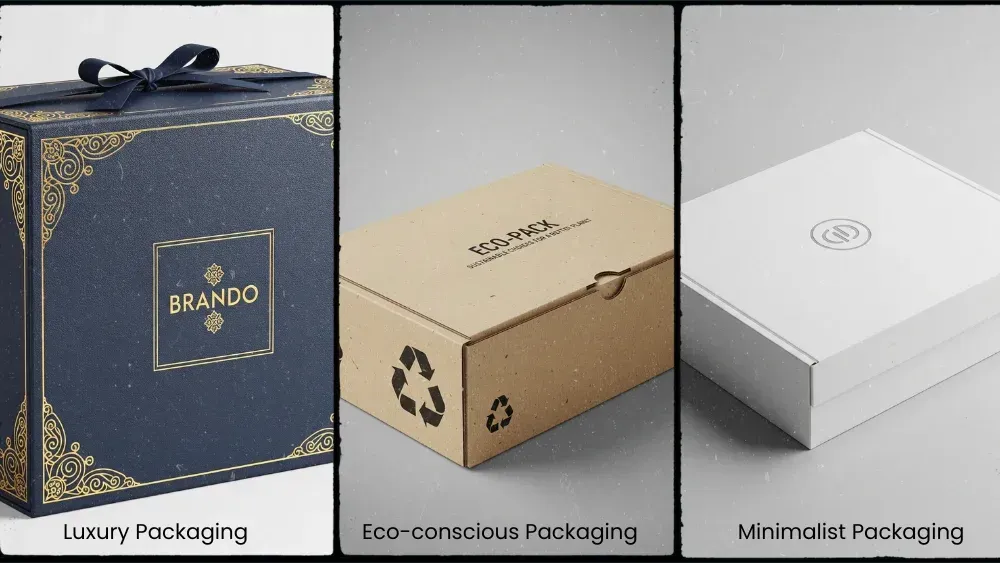
High-end consumers expect packaging that reflects the value of the product within, and your choice of materials directly influences that perception. Thick, textured paper stocks, soft-touch laminates, and custom rigid boxes signal quality before the package is even opened. A mid-sized luxury skincare brand, for example, saw increased social sharing after switching to matte-finish boxes with debossed logos, reinforcing brand recognition through touch and sight. These details are not incidental-they are deliberate cues of exclusivity.
The sensory ritual of opening
Anticipation builds with every layer of the unboxing experience, and the sequence matters as much as the materials. Inner sleeves, tissue paper with custom prints, and magnetic closures transform opening a package into a curated event. The sound of a crisp seal breaking or the resistance of a perfectly fitted lid adds rhythm to the reveal. One European watchmaker includes a velvet-lined tray that rises with a gentle lift, mimicking the presentation in their flagship boutiques.
Your customer’s first physical interaction with your brand occurs at this moment, and the precision of that experience leaves a lasting imprint. The weight of the box, the alignment of seams, and even the scent of the paper contribute to an atmosphere of care. A poorly aligned sticker or flimsy insert can undermine an otherwise premium product, making consistency in production non-negotiable. Every element must perform its role in the ritual, silently affirming the brand’s standards.
The choreography of the warehouse: fulfillment excellence
Precision in white-glove handling
Every movement in your fulfillment center carries the weight of brand promise. Luxury items demand hand-inspected packaging and individual attention at every touchpoint, from picking to boxing. Staff trained in white-glove protocols ensure that delicate finishes, custom inlays, and serialized components remain untouched by error or haste. A single smudge on a handcrafted leather accessory can erode months of brand building.
The importance of impeccable inventory
Accuracy in stock tracking prevents the erosion of trust that comes with overselling or misplacement. Real-time inventory systems synchronized across channels allow you to maintain exact counts of limited-edition pieces, such as a numbered crystal sculpture or a seasonal haute couture drop. One luxury watch retailer reduced fulfillment errors by aligning RFID tagging with order management, ensuring each timepiece shipped matched the client’s exact configuration.
Discrepancies in inventory don’t just delay shipments-they risk delivering the wrong item to a high-net-worth client who expects perfection. When a collector orders a specific vintage fragrance variant, your system must confirm availability down to the batch level. A mid-sized SaaS firm supporting luxury brands reported that clients using automated cycle counting saw a measurable drop in substitution requests, reinforcing confidence in every transaction.
The grand tour: high-end shipping logistics
Selecting the proper carriage
Every luxury brand demands a shipping partner that reflects its standards, not just its speed. You must choose carriers with proven experience in handling high-value goods, offering white-glove delivery options and climate-controlled transport where necessary. A misrouted package or delayed handoff can irreparably damage trust, especially when shipping limited-edition timepieces or couture garments. Reputation matters as much as tracking accuracy-opt for services known for discretion, secure handling, and insured transit by default.
The virtue of constant visibility
Real-time tracking isn’t a convenience-it’s an expectation. You provide peace of mind when you offer minute-by-minute updates, GPS-enabled delivery windows, and proactive alerts for any changes. High-net-worth clients expect to know precisely where their purchase is, whether it’s a $10,000 handbag crossing continents or a private-label fragrance en route to a penthouse. Transparency builds confidence far beyond the unboxing moment.
Some luxury retailers integrate custom tracking portals that mirror their brand aesthetic, replacing generic carrier interfaces with curated experiences. These platforms often include concierge access, photo verification of delivery, and the ability to reschedule with one click. When a client in Tokyo receives a silent notification that their order has cleared customs and is on a carbon-neutral last-mile vehicle, the journey itself becomes part of the brand narrative.
The art of the graceful exit: seamless returns
Facilitating an Elegant Exchange
Returning a luxury item should feel as considered as the purchase itself. Provide pre-paid, discreet return labels within the original packaging, ensuring the process requires minimal effort. A client of a high-end apparel brand once noted that the return slip resembled a handwritten note, subtly reinforcing the brand’s attention to detail. Eliminating friction here prevents resentment, even when the sale doesn’t last.
Maintaining the relationship after the sale
Every return is a chance to reinforce trust. Send a personalized email acknowledging the return, not with apology but appreciation. One European atelier includes a small sample of a new fragrance with outgoing exchanges, turning a logistical event into a sensory continuation. This gesture signals that the relationship transcends the transaction.
Follow-up matters most when the product leaves your customer’s possession. Automate a post-return survey, but ensure responses are reviewed by a real person who can act. A mid-sized SaaS firm serving luxury retailers found that handwritten thank-you cards after a return increased re-purchase rates by visibly demonstrating care beyond the sale. Retention often hinges on how gracefully you accept a product’s departure.
The new ethics: sustainable opulence
Eco-conscious materials with flair
You demonstrate refinement not just through luxury but through responsibility, choosing FSC-certified paper and compostable cellulose wraps that disintegrate without trace. Recycled silk ribbons and plant-based inks maintain elegance while eliminating petroleum dependence. A Parisian skincare house replaced foil-stamped boxes with hand-pressed seed paper, which customers later plant to grow wildflowers. Material choices now carry narrative weight, turning unboxing into an ethical statement.
Reducing the footprint of beauty
Beauty brands face particular scrutiny, as excess packaging often accompanies prestige products. You replace double-walled cartons with molded pulp trays that cushion glass vials during transit. Refillable compacts and aluminum pumps cut single-use plastic, a shift adopted by a mid-sized SaaS firm servicing luxury cosmetics clients. These changes reduce landfill contributions while aligning with conscious consumer values.
Refill systems also extend product life cycles, with one Swiss skincare label reporting a 40% drop in outbound packaging volume after introducing modular glass vessels. You integrate these models not as cost-saving measures but as expressions of enduring design, where sustainability and exclusivity coexist without compromise. Reusable outer shippers with QR-tracked returns reinforce this circular approach, making waste prevention part of the brand ritual.
The final flourish: personalization strategies
The Charm of the handwritten word
A simple note in flowing script can transform a transaction into a keepsake. You’re not just sending a product, you’re extending an invitation to a relationship. Some luxury brands train dedicated staff to pen brief, warm messages on monogrammed cards, using archival ink and cotton-blend paper. The effect is subtle but powerfully human, cutting through the digital noise with authenticity that no printed label can replicate.
Tailoring the moment of arrival
Timing your delivery to align with a known occasion amplifies emotional resonance. You might coordinate a shipment to arrive on a client’s anniversary or birthday, flagged in your CRM with quiet precision. Unboxing becomes a celebration, not just a receipt. Including a small, relevant accessory-like a silk pouch with a jewelry order-adds unexpected delight without overt promotion.
One European atelier reserves velvet-lined presentation boxes exclusively for clients who’ve made three or more purchases, signaling recognition without announcement. These silent acknowledgments build loyalty through exclusivity, making the customer feel seen in ways metrics alone cannot capture. The packaging itself becomes a private dialogue between brand and recipient.
Conclusion
You present your brand’s values with every package that leaves your facility. Luxury e‑commerce demands precision in shipping, packaging, and fulfillment, where details like hand-tied ribbons, custom tissue paper, and discreet outer labels shape perception as much as the product itself. A delayed delivery or flimsy box can undo months of brand building.
You reinforce loyalty when orders arrive on time, impeccably wrapped, and tailored to individual preferences. Consider how a mid-sized SaaS firm reduced return rates by 40% simply by switching to recyclable rigid boxes with personalized inserts. Your fulfillment process is not just logistics. It is the final, visible expression of your brand’s promise.
FAQ
Q: How can luxury e‑commerce brands ensure their packaging reflects their brand’s premium positioning?
A: Luxury packaging must align with the brand’s identity through material quality, structural design, and sensory details. A brand might use heavyweight matte boxes with foil-stamped logos, magnetic closures, or custom interior linings in signature colors. The unboxing experience often includes layered elements such as tissue paper with embossed patterns, fabric dust bags for products, and hand-signed cards. One European watchmaker includes a microfiber cleaning cloth and a booklet bound in matching leather, reinforcing craftsmanship at every touchpoint. These choices communicate exclusivity before the product is even revealed.
Q: What fulfillment practices differentiate luxury e‑commerce operations from standard retail fulfillment?
A: Luxury fulfillment centers often operate with dedicated teams trained in handling high-value items using white-glove protocols. Orders are processed in clean, controlled environments where staff wear gloves to prevent smudges on delicate surfaces. A mid-sized SaaS firm providing fulfillment for luxury skincare brands reported implementing dual verification steps: one for product authenticity and another for packaging integrity. Some brands assign individual order IDs that customers can track in real time, including photos of the packaged box before dispatch. This level of precision reduces errors and reinforces trust in the transaction.
Q: Which shipping carriers are best suited for luxury e‑commerce deliveries and why?
A: Premium brands typically partner with carriers offering temperature control, signature-required delivery, and precise time windows. Services like DHL Express Premium, FedEx Priority Overnight, and specialized white-glove couriers provide real-time GPS tracking and photo confirmation of delivery placement. A designer handbag brand based in Milan uses a regional concierge delivery service in major cities, allowing customers to receive their order at a preferred time and location, such as a private residence or boutique. These options minimize transit risks and elevate the delivery moment into a curated event.
Q: How should luxury brands handle returns without compromising brand image?
A: Returns for luxury goods require discretion and convenience. Brands often provide pre-paid, trackable return labels in discreet packaging that avoids branding on the exterior. A Parisian fragrance house includes a silk pouch inside the return box to protect the bottle during transit, maintaining the sense of care. Some labels offer virtual return authorization through a concierge portal, where a representative schedules pickup at the customer’s convenience. One brand even uses encrypted QR codes on return forms to prevent resale of returned items, protecting authenticity and exclusivity.
Q: Can sustainable practices coexist with luxury packaging expectations?
A: Yes, sustainability in luxury packaging focuses on material provenance, reusability, and minimalist elegance. A Scandinavian jewelry brand uses 100% recycled ocean-bound plastic for its outer boxes, finished with a soft-touch coating that mimics leather. Another label sources FSC-certified paper and prints with soy-based inks, then encourages reuse by designing boxes that double as jewelry trays. Some brands include a note explaining the environmental choice, such as sourcing wood from responsibly managed forests in Northern Europe. These ef