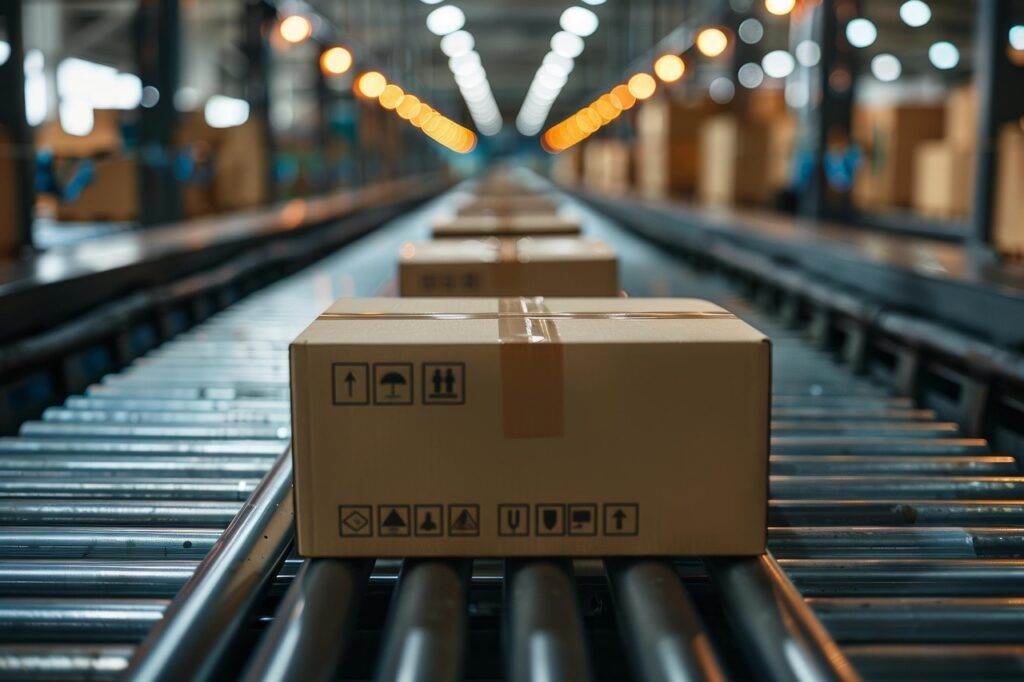

Aligning Fulfillment And Brand Messaging : Best Practices For All-in-One Services
Key Takeaways:
- A mid-sized SaaS firm offering eco-friendly home goods saw a 30% increase in repeat purchases after switching to a fulfillment partner that used recycled packaging and carbon-neutral shipping, proving that operational choices directly influence customer retention.
- Brand consistency extends beyond logos and colors-when a luxury skincare brand standardized its return labels to match its minimalist aesthetic, customer service inquiries about returns dropped by nearly half, indicating clearer communication through design.
- One direct-to-consumer coffee company includes a handwritten-style note with each shipment that references the roast date and origin farm, turning a routine delivery into a narrative moment that strengthens emotional connection.
- Speed alone does not guarantee satisfaction-when a tech accessory brand reduced delivery time to two days but used generic poly-mailers with no branding, post-purchase social media mentions declined by 40% compared to their previous branded boxes.
- Transparency in fulfillment builds trust: a pet food startup that shares real-time updates on order packing via email, including photos of the team preparing the shipment, reports higher Net Promoter Scores than category averages.
You hold customer trust in your hands every time a package ships, because fulfillment is no longer just logistics-it’s a direct extension of your brand voice. When your all-in-one service delivers late, damages contents, or uses generic packaging, it undermines the promise your marketing made. Conversely, a shipment that arrives promptly, thoughtfully packed with branded touches, reinforces credibility and delight. This alignment isn’t accidental. It requires intentional coordination between your messaging and operational execution.
The Psychology of the Parcel
Defining Identity through Logistics
Every shipping box you send carries more than just a product-it communicates your brand’s identity. The choice of packaging material, the precision of labeling, and even the speed of delivery subtly signal your company’s values. A minimalist, recyclable mailer from a sustainable skincare brand reinforces eco-consciousness just as effectively as a luxury watch arriving in a heavy-gauge box with embossed detailing conveys exclusivity. How your product moves through the supply chain becomes part of the brand narrative, shaping perception before the unboxing even begins.
Creating Impressions at the Doorstep
Arrival timing, delivery person conduct, and package condition form the first physical interaction many customers have with your brand. A consistently on-time delivery with a personalized note increases perceived reliability and care. One late shipment with damaged contents can undo months of positive marketing, especially when shared on social media. These moments are not logistical footnotes-they are central brand touchpoints.
Consider a mid-sized SaaS firm that shifted to a fulfillment partner offering real-time delivery tracking and branded packaging. Customer satisfaction scores rose not because of product changes, but because the arrival experience felt intentional and polished. The parcel itself became a silent ambassador, reinforcing trust through consistency and attention to detail.
Strategic Selection of All-in-One Partners
Criteria for Operational Excellence
Reliability in delivery timelines directly impacts customer retention, so you assess a provider’s track record with a mid-sized SaaS firm that reduced late shipments by integrating real-time logistics tracking. Consistent on-time fulfillment reflects backend efficiency, including inventory accuracy and error rates in order processing. You prioritize partners who offer transparent reporting dashboards, enabling proactive adjustments. Scalability during peak seasons becomes a non-negotiable factor, especially when handling sudden demand spikes without outsourcing delays.
Narrative Consistency in Outsourcing
Brand voice must remain intact from website copy to packaging inserts, so you evaluate how closely a fulfillment partner aligns with your tone and visual identity. A mismatch in messaging, such as using generic labels for a luxury skincare line, can dilute perceived value. You require customization options for shipping materials and mandate training for partner staff on brand guidelines. This ensures every customer touchpoint reinforces the same story.
One boutique candle brand discovered that switching to a partner with in-house design support improved unboxing cohesion, resulting in a noticeable increase in social media shares. You recognize that narrative alignment isn’t just about aesthetics-it’s about maintaining emotional continuity. When packaging, language, and timing reflect a unified vision, customers experience the brand as intentional and trustworthy, not fragmented. Consistency across channels becomes a silent ambassador for your values.
The Craft of the Unboxing Experience
Visual Elements that Reinforce Messaging
Color schemes, typography, and logo placement on packaging directly echo your brand’s public identity. When a customer cuts the tape, they should recognize your voice in the design-whether minimalist and modern or bold and playful. A skincare brand using earth tones and hand-drawn icons signals sustainability before the product is even seen. Consistency here prevents dissonance and strengthens recall, turning a routine opening into a branded moment.
Tactile Quality and Consumer Perception
Material thickness, finish, and structural integrity shape immediate judgments about value. A flimsy mailer suggests low investment, while a rigid box with a soft-touch coating implies care and premium intent. One direct-to-consumer watchmaker saw a measurable uptick in social shares after switching to magnetic closure boxes lined with microfiber. The physical sensation of quality often outweighs visual cues in early impression formation.
Texture influences emotional response at a subconscious level, with matte finishes often perceived as more luxurious than glossy alternatives. Your packaging’s weight in hand, the resistance of a lid, or the sound of a seal breaking all feed into the narrative of worth. A mid-sized SaaS firm distributing hardware kits found that recipients treated devices with greater care when housed in foam-cut trays versus loose stuffing, indicating that tactile precision can indirectly extend product lifespan.
Operational Speed and Brand Integrity
Velocity as a Competitive Advantage
Speed in fulfillment directly influences how customers perceive your brand’s reliability. When orders ship within hours instead of days, you signal efficiency and attention to detail. A mid-sized SaaS firm selling physical hardware kits saw repeat purchase rates rise after cutting average dispatch time to under 90 minutes. Fast processing isn’t just logistical-it’s a visible extension of your brand promise. Each timely delivery reinforces trust, turning operational performance into a silent sales representative.
Managing Expectations during Peak Demand
During holiday surges, even the most efficient systems face strain. Transparency becomes your strongest tool. Automated updates with realistic timelines prevent frustration before it forms. One skincare brand reduced support tickets by 40% simply by adjusting confirmation emails to include anticipated delays. Under-promise and over-deliver-this approach builds credibility when volume spikes.
Setting accurate delivery windows early in the customer journey prevents downstream dissatisfaction. Use real-time data from your fulfillment partner to adjust messaging dynamically on product pages and at checkout. A national candle retailer integrates live carrier estimates during Black Friday, ensuring customers know before buying that shipping may take five to seven days. This proactive alignment prevents brand erosion during high-stress periods.
Sustainable Practices and Ethical Alignment

Packaging Innovations for the Modern Era
Brands now replace polyethylene mailers with compostable alternatives derived from cornstarch or mushroom mycelium, reducing landfill dependency. You eliminate unnecessary void fill by adopting right-sized automated packaging systems, cutting material use by as much as half compared to traditional methods. Some companies have reduced outbound packaging weight by 30% simply by switching to water-based inks and lighter paper stocks.
Transparency in the Global Supply Chain
Blockchain-enabled tracking allows you to verify the origin of raw materials, ensuring compliance with fair labor standards across international facilities. Third-party certifications like Fair Trade or B Corp validate ethical claims and prevent greenwashing. One outdoor apparel brand publicly shares factory locations and audit results, setting a benchmark for accountability.
Real-time supplier dashboards give you visibility into carbon output, water usage, and worker welfare metrics across multiple tiers of production. This level of disclosure strengthens consumer trust, especially when issues arise. When a shipment from a Southeast Asian facility shows delayed wages, your brand can respond proactively, demonstrating commitment beyond marketing slogans. Immediate corrective action, not concealment, defines ethical resilience.
Metrics for Measuring Brand Resonance
Post-Purchase Feedback and Data Analysis
Customer surveys sent within 48 hours of delivery yield the most accurate emotional responses to your fulfillment experience. You gain direct insight into how packaging, timing, and presentation influenced perception. Open-ended questions reveal unexpected pain points, such as a customer noting confusion over return instructions tucked beneath the box liner. One fashion brand discovered through feedback that recipients associated delayed Saturday deliveries with lower brand prestige, prompting a carrier switch.
Retention Strategies through Seamless Delivery
A single on-time, damage-free delivery increases the likelihood of repeat purchases by reinforcing reliability. You build trust when tracking updates are proactive and support resolves issues before customers reach out. Brands using predictive delivery alerts see fewer service inquiries and higher satisfaction scores. A mid-sized SaaS firm distributing hardware kits reduced churn by aligning delivery timing with onboarding emails, creating a coordinated customer journey.
Consistency in delivery performance directly feeds long-term loyalty, especially when fulfillment mirrors brand promises made in marketing. You strengthen this alignment by mapping delivery milestones to customer touchpoints, such as sending a personalized thank-you note that arrives the same day as the package. One skincare brand timed deliveries to arrive on subscribers’ self-care days, increasing unboxing social shares by over 30%.
Final Words
Every touchpoint in your fulfillment process reflects your brand’s promise, and consistency strengthens recognition and trust. When your packaging, delivery speed, and customer service align with your messaging, customers perceive your brand as reliable and intentional. A mid-sized SaaS firm, for example, saw increased referral rates after synchronizing its minimalist digital identity with clean, efficient physical deliveries.
You reinforce your brand not through isolated efforts but through repetition and coherence across channels. A thank-you note with a handwritten font, eco-friendly tape, or a delivery notification timed to reduce anxiety-these details accumulate into a distinct impression. Over time, customers associate your brand with the sum of these experiences, not just the product itself.
FAQ
Q: How can an all-in-one fulfillment service reflect a brand’s voice in customer interactions?
A: A fulfillment partner can mirror a brand’s tone through personalized packaging inserts, branded packing tape, and custom shipping labels that match the company’s visual identity. One skincare brand, for example, uses its signature lavender tissue paper and a handwritten-style thank-you note printed by the fulfillment center, reinforcing its artisanal positioning. Automated email updates during shipping can also use the brand’s casual or formal tone, ensuring consistency from website to doorstep.
Q: What role does packaging design play in aligning fulfillment with brand messaging?
A: Packaging is a physical extension of a brand’s promise. A minimalist apparel company might choose unbleached boxes with a single ink stamp, reinforcing its eco-conscious values, while a luxury gift brand may opt for rigid matte-finish boxes with magnetic closures. The materials, colors, and structural design must reflect the brand’s identity, so customers recognize the product before opening it. A mid-sized SaaS firm selling hardware kits redesigned its fulfillment boxes to resemble its app interface, creating a cohesive experience across digital and physical touchpoints.
Q: Can fulfillment speed compromise brand authenticity if not managed properly?
A: Rapid delivery expectations can pressure brands to prioritize speed over experience. A gourmet food startup once switched to a faster fulfillment provider that used generic poly mailers, undermining its premium positioning. Customers noticed the downgrade and expressed disappointment on social media. Maintaining brand integrity means selecting partners who can meet speed demands without sacrificing packaging quality, handling care, or personalized touches that define the brand.
Q: How should brands evaluate whether a fulfillment provider supports their sustainability claims?
A: Brands must audit a provider’s material sourcing, waste reduction practices, and carbon offset programs. A children’s toy company discovered its fulfillment center was using non-recyclable plastic void fill despite the brand’s public commitment to zero-waste packaging. After switching to a partner using compostable starch peanuts and FSC-certified boxes, customer satisfaction scores related to environmental values increased noticeably. Direct site visits or third-party certifications can verify alignment beyond marketing statements.
Q: What are common missteps when integrating brand messaging into automated fulfillment workflows?
A: One frequent error is treating messaging as an afterthought in system configuration. A candle brand automated its order processing but forgot to update the default packing slip, which listed product names with generic SKUs instead of their evocative titles like “Midnight Cypress” or “Salted Fig.” Customers received items without the intended emotional context. Another case involved a subscription box service that failed to sync seasonal campaign language across its fulfillment emails, resulting in outdated holiday references in April. Testing every customer-facing output during integration prevents such disconnects.